A blocked condensate drain can turn a normally quiet cooling system into a water-damage problem within hours. This air conditioner drain line guide helps homeowners, landlords, and property managers recognize what the line does, spot trouble early, and know when a simple maintenance task should become a professional service call.
Your air conditioner removes humidity as it cools the air. That moisture has to go somewhere. The drain line carries it safely away from the indoor unit. When it becomes clogged, disconnected, poorly sloped, or damaged, water may back up into the drain pan, ceiling, wall, floor, or equipment itself.
What an Air Conditioner Drain Line Does
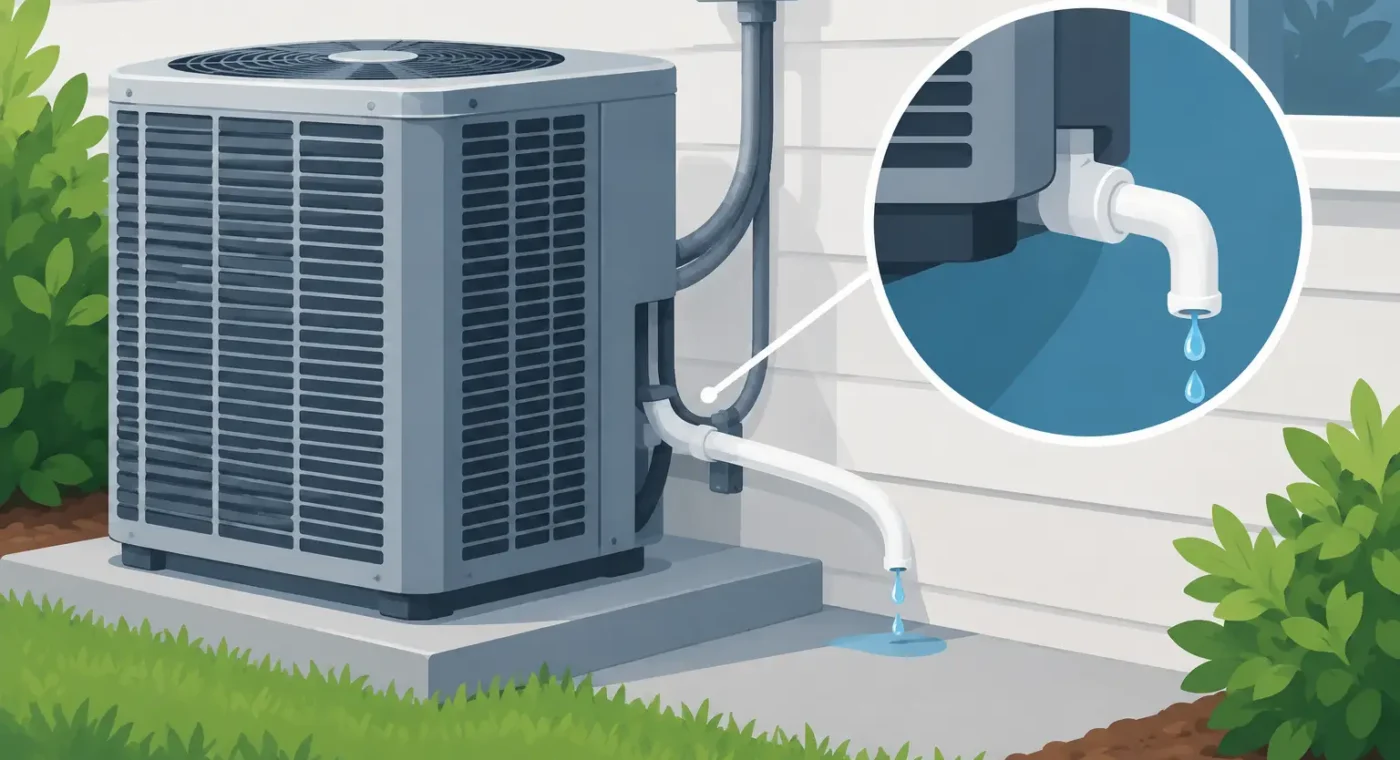
The drain line, also called a condensate line, is usually a small PVC pipe connected to your indoor air handler or furnace cabinet. As warm, humid indoor air passes over the evaporator coil, moisture forms on the coil and drips into a drain pan. From there, the line directs that water outdoors, to a plumbing drain, or to a condensate pump.
In humid weather, a system can produce a surprising amount of water each day. That is why a slow drain is not a minor inconvenience. It can lead to overflow, mold growth, damaged drywall, and an unexpected shutdown if your system has a safety float switch.
For commercial properties, the stakes can be higher. A drain backup above a retail area, office, kitchen, or tenant space can interrupt operations and create a cleanup issue that grows quickly. Routine attention is far less disruptive than emergency water remediation.
Signs Your AC Drain Line May Be Clogged
Water is the clearest warning sign, but it is not the only one. Check around the indoor unit when you notice a musty odor, reduced cooling, unusual humidity, or an AC system that stops running without an obvious reason.
A clogged line often causes water to collect in or around the air handler. You may see staining on a ceiling below an attic unit, dampness around a closet unit, or water near the furnace. If the drain exits outdoors, little or no water coming from the pipe during a hot, humid period can also suggest a blockage. It is not a perfect test, since humidity levels and system runtime vary, but it is worth checking.
Many newer systems include a float switch. This device shuts the unit off when water rises too high in the drain pan. While inconvenient, that shutdown can protect your property from a serious overflow. Do not repeatedly reset the system or bypass the switch. The water problem still needs to be found and corrected.
Why Condensate Lines Clog
The most common cause is biological buildup. Algae, mildew, bacteria, and sludge thrive in the damp environment inside a condensate line. Dust and debris pulled into the system can add to the blockage, especially when the air filter is overdue for replacement.
Drain lines can also fail for mechanical reasons. A pipe may crack, come loose at a fitting, sag and hold water, or lose the proper slope needed for drainage. A poorly installed or missing trap can create drainage and airflow issues on certain systems. Outdoor discharge points may be obstructed by landscaping, insects, or dirt.
A clog is therefore not always a cleaning job. If the same line blocks repeatedly, the underlying cause may be a drainage design issue, excess dirt reaching the coil, a damaged drain pan, or a maintenance gap elsewhere in the AC system.
Safe Steps to Take When Water Is Present
If you see water near the indoor unit, turn the cooling system off at the thermostat. If water is close to electrical components, avoid touching the equipment and switch off power at the breaker only if you can do so safely. Then place towels or a shallow container where practical to limit spreading water.
Next, inspect the visible drain line and pan without removing sealed panels or disturbing electrical wiring. Look for an obvious loose connection, a cracked pipe, or a full auxiliary pan beneath an attic unit. Take photos before cleanup if water has affected a ceiling, flooring, or tenant area. They can be helpful for property records and repair assessment.
Do not use harsh drain cleaners, bleach, or high-pressure air inside the line. Chemical products can damage components, create fumes, and move a clog into a more difficult location. Aggressive pressure can separate fittings or force dirty water back into the equipment. A wet/dry vacuum applied carefully at an accessible outdoor drain outlet may clear minor buildup, but it is not the right approach for every configuration.
If water has entered the unit cabinet, reached electrical connections, or caused staining and ceiling damage, arrange professional service promptly. Restoring drainage is only part of the job. The technician should also inspect the pan, float switch, drain fittings, coil condition, and source of the overflow.
Air Conditioner Drain Line Guide: Preventive Care
A little consistency helps prevent most drain emergencies. Replace or clean your HVAC filter on schedule, following the manufacturer’s guidance for your system and filter type. A clean filter supports airflow and reduces the dust that can contribute to coil and drain contamination.
During cooling season, take a quick look at the area around the indoor unit every few weeks. Watch for moisture, rust, musty smells, or changes in the amount of water leaving the outdoor drain outlet. Keep the outlet clear of mulch, leaves, soil, and stored items.
Annual AC maintenance is the most dependable preventive step. A complete visit should include checking drain operation, clearing buildup as needed, inspecting the condensate pan and safety switch, and confirming the system is cooling efficiently. In very humid climates, high-use homes, rental properties, and commercial spaces, more frequent checks may make sense.
Some systems benefit from approved condensate treatment products placed in the pan. The right product and schedule depend on the equipment and local conditions. A technician can recommend an approach that will not harm the system or create residue that worsens the problem.
When to Call an AC Professional
Call for service when water is leaking from the unit, the system shuts down repeatedly, a drain line clogs more than once, or you suspect a cracked pan or hidden leak. These situations can look simple from the outside while involving a blocked primary drain, a failed pump, a wiring issue, or an improperly installed line.
Professional diagnosis matters because the goal is not merely to get water moving again. The goal is to identify why it stopped moving and prevent a repeat failure. That may include clearing the line, repairing fittings, replacing a float switch or pump, correcting drainage slope, cleaning the coil, or addressing a damaged pan.
For landlords and property managers, fast response also protects residents and limits avoidable repair costs. For businesses, prompt service can help prevent downtime, slip hazards, and damage to inventory or finished spaces. EAAIRS Services and Repair Ltd. provides responsive AC troubleshooting and maintenance with clear recommendations, so you know what is happening before work begins.
A Small Drain Problem Can Become a Big Property Problem
Your condensate line is a small part of the air conditioning system, but it protects much more than the equipment. Pay attention to moisture, odors, and unexpected shutdowns, and treat recurring clogs as a reason to investigate rather than a nuisance to ignore. A timely service call can keep a simple drainage issue from becoming a damaged ceiling, a lost day of cooling, or a larger repair bill.