
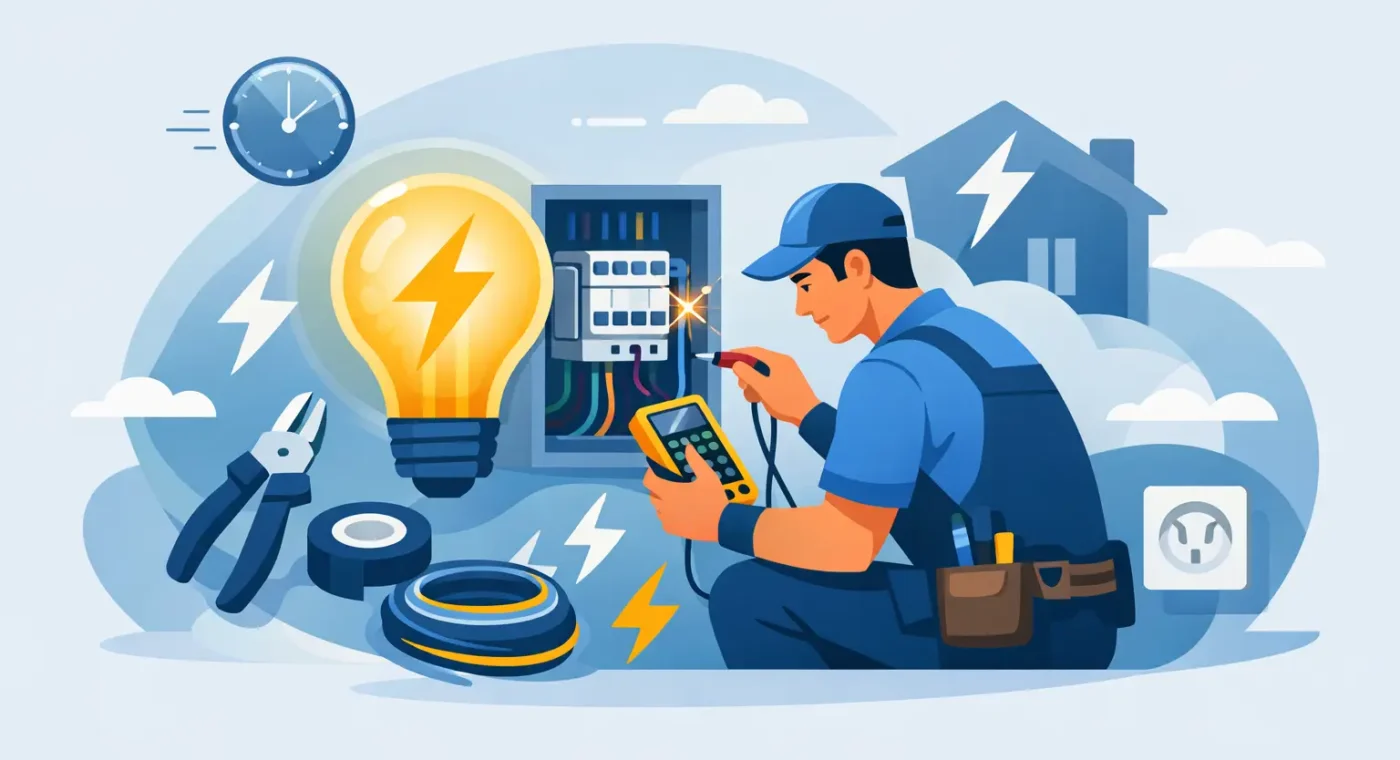
A breaker that keeps tripping, outlets that stop working, lights that flicker for no clear reason – these are not problems to watch and wait on. Electrical repair is one of those services where speed matters, but accuracy matters even more. A quick patch can leave the real issue behind, and that usually means more downtime, more expense, and more risk.
For homeowners, electrical issues interrupt daily life fast. For landlords and property managers, they can become tenant complaints, liability concerns, and scheduling headaches. For commercial operators, even a small electrical fault can affect equipment, productivity, and customer service. The right repair process should do more than get the power back on. It should identify the cause, fix it safely, and help prevent the same problem from coming back.
When electrical repair should not wait
Some electrical problems are clearly urgent. A burning smell near a panel, a buzzing outlet, sparking, warm switch plates, or partial power loss are all signs to stop using the affected circuit and call a licensed professional. If a breaker trips once after an overload, that may be straightforward. If it trips repeatedly, there is usually a deeper problem, such as a failing breaker, a short, overloaded wiring, or a device pulling more current than the circuit can handle.
Other issues look minor at first but still deserve prompt attention. Dimming lights when appliances start, dead outlets in one area, switches that work inconsistently, or GFCI outlets that keep resetting can point to loose connections or aging components. These are not always emergencies, but they are rarely self-correcting. Electrical systems tend to give warnings before they fail completely.
In commercial settings, the threshold for urgency is often lower. A restaurant, office, retail store, or rental property cannot afford long interruptions. If refrigeration equipment, lighting, point-of-sale systems, or kitchen appliances are affected, the cost of delay goes beyond the repair itself. Fast diagnosis protects both operations and revenue.
What causes common electrical problems
Electrical systems fail for different reasons, and the right fix depends on what is happening behind the walls, inside the panel, or at the fixture. That is why experienced electrical repair starts with diagnosis, not guesswork.
Loose wiring connections are one of the most common causes of flickering lights, dead outlets, and intermittent power. Connections naturally loosen over time due to vibration, use, and thermal expansion. In older properties, worn devices and aging insulation can add to the problem.
Overloaded circuits are another frequent issue, especially in homes and businesses using more devices than the original wiring was designed to support. Space heaters, microwaves, window AC units, commercial equipment, and newer electronics can all strain older circuits. The immediate symptom may be nuisance breaker trips, but the larger issue is that the electrical demand has changed.
Then there are panel-related problems. A breaker may fail mechanically, a bus bar may show damage, or the panel may simply be outdated for the building’s current needs. Some repairs are isolated and simple. Others reveal that the safest long-term solution is a panel upgrade or circuit addition. That is where honest guidance matters. Not every issue requires a major project, but some do, and it is better to know that upfront than after multiple repeat service calls.
Electrical repair is not the place for trial and error
There is a difference between resetting a tripped breaker and attempting an actual repair. Once wiring, outlets, switches, or panels are involved, safety has to come first. Improper electrical work can create hidden hazards that do not show up right away. A connection may seem fine for a day or a week, then overheat under load.
This is also where many property owners lose time and money. A handyman may replace the visible part, but if the root cause is a damaged wire, overloaded circuit, or panel issue, the same problem returns. Correct electrical repair means testing the circuit, confirming voltage and load, inspecting the affected components, and matching the repair to code and usage conditions.
For landlords and commercial managers, there is another factor: documentation and consistency. When multiple units or locations are involved, you want a service provider who can identify patterns, recommend practical next steps, and keep repairs from becoming recurring complaints.
What a professional electrical repair visit should look like
A reliable service call should start with clear communication. You explain what is happening, when it started, what equipment is affected, and whether the issue is constant or intermittent. That information helps narrow the problem, but it should never replace proper testing onsite.
Once the technician arrives, the first priority is safety. Power may need to be isolated in the affected area before inspection begins. From there, diagnosis should focus on the source of the problem, not just the visible symptom. If an outlet failed, the issue may be at the outlet itself, a backstabbed connection upstream, a tripped GFCI nearby, or a breaker problem at the panel.
After diagnosis, the next step should be straightforward: explain what failed, what needs to be repaired or replaced, what the cost will be, and whether any related issues were found. Transparent pricing matters here. Customers should know whether the repair is isolated or whether there are signs of a larger electrical concern that deserves follow-up.
The best service experience is not just technical. It is also efficient. Fast scheduling, a prepared technician, and the ability to complete repairs on the first visit make a real difference, especially when the issue is affecting daily life or business operations. That is one reason many customers prefer working with a company that can handle multiple systems under one roof. If electrical trouble is tied to an appliance, HVAC component, or commercial equipment issue, the diagnosis can move faster.
Repair now or upgrade later?
This is where the answer often depends on the age of the property, the condition of the system, and how the space is being used today. A failed switch in an otherwise healthy system is usually a straightforward repair. The same goes for a damaged outlet, a bad breaker, or a specific lighting issue.
But if the property has recurring breaker trips, not enough outlets, frequent extension cord use, or a panel that is already full, repair alone may only solve part of the problem. In those cases, adding dedicated circuits or upgrading service capacity may be the smarter long-term decision. It costs more upfront, but it can reduce repeat failures and improve safety.
For property managers and business owners, this is especially relevant during renovations, tenant turnover, or equipment changes. If the electrical system is being pushed beyond what it was designed to do, repeated repairs may become the more expensive option over time.
Choosing the right electrical repair company
Not every service provider approaches electrical work the same way. Speed matters, but so do licensing, troubleshooting skill, and the ability to explain the issue clearly. Customers should not have to choose between a fast response and a correct repair.
Look for a company that offers licensed technicians, clear estimates, and a service process built around diagnosis first. Availability matters too. Electrical issues do not always happen during business hours, and urgent situations need a path to support. For many customers, especially those managing rental units or commercial properties, it also helps to work with one trusted team that can handle related systems without sending you to multiple contractors.
That is where a company like EAAIRS Services and Repair Ltd. fits naturally. When a property problem crosses between electrical, appliances, and cooling systems, having one dependable point of contact saves time and reduces stress. It also makes follow-up easier when speed and accountability matter.
Preventing the next electrical repair
No system lasts forever, but many electrical problems can be caught earlier with the right attention. If outlets feel loose, lights flicker regularly, breakers trip more than once, or older panels show signs of wear, it is worth scheduling an inspection before the issue turns urgent.
Preventive attention is not about overselling repairs. It is about reducing disruption. A planned service call is easier to manage than a sudden outage, a tenant complaint, or equipment shutdown in the middle of a busy day. For businesses, that can protect operations. For homeowners, it protects comfort and peace of mind.
When electrical problems show up, the goal is not just to restore power. It is to restore confidence that the system is safe, dependable, and ready to support the way you actually use the property.