
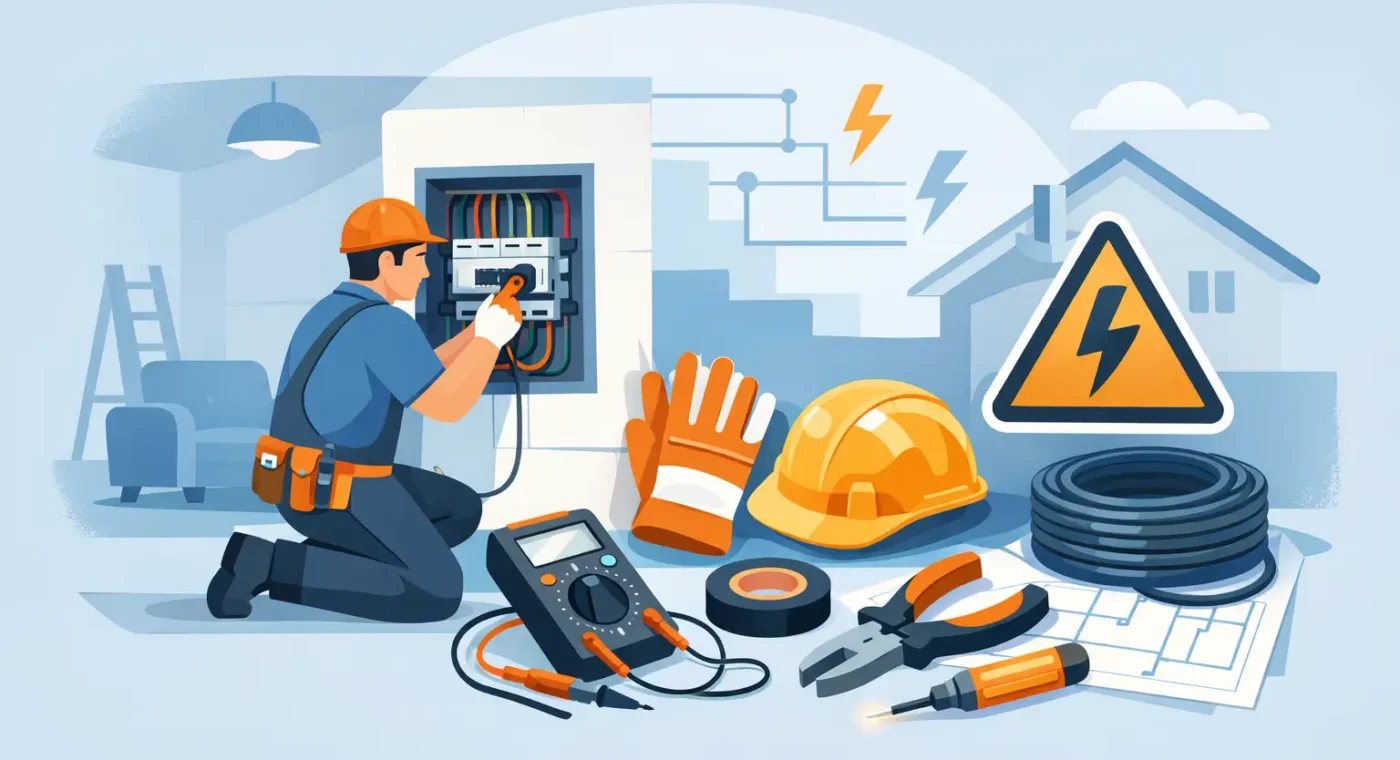
Electrical rewiring is one of the most valuable upgrades you can make to an aging home, rental property, or commercial space. Knowing how to prepare for electrical rewiring before the first technician arrives helps protect your belongings, reduce downtime, and give the electrician clear access to do the job correctly. It also prevents a major surprise for many property owners: rewiring is not only an electrical project. It can affect walls, ceilings, furniture, internet service, security equipment, appliances, and daily routines.
A reliable electrical contractor will explain the scope before work begins, but preparation on your side keeps the project safer and more efficient. The amount of preparation depends on whether you are replacing a single circuit, upgrading a panel, or rewiring an entire building. A full rewire requires more planning, especially in occupied homes, rental units, offices, and businesses that cannot afford extended interruptions.
Start With a Clear Scope and Schedule
Before moving furniture or turning anything off, confirm exactly what work is planned. Ask whether the project includes a service panel upgrade, new outlets, GFCI or AFCI protection, dedicated appliance circuits, lighting upgrades, smoke detector wiring, or replacement of old wiring throughout the property. These details determine which rooms will be affected and how long power may be unavailable.
Request a written estimate that separates labor, materials, permit costs, and any expected repair work after access holes are made. Rewiring often requires opening portions of drywall or ceiling surfaces to route new cable. An electrician may be able to minimize openings, but no responsible professional should promise zero disruption before inspecting the structure.
Scheduling matters just as much as scope. Confirm the planned start date, daily work hours, expected shutdown periods, and final inspection timeline. For a residence, decide whether family members, pets, or elderly occupants should stay elsewhere during the noisiest parts of the work. For a business, identify the least disruptive time for shutdowns and let employees, tenants, or customers know in advance.
How to Prepare for Electrical Rewiring Room by Room
The technician needs safe access to outlets, switches, electrical panels, attic hatches, crawl spaces, and sections of wall where wiring may run. Clearing these areas ahead of time saves time on the job and reduces the chance of accidental damage.
Move furniture away from walls in the rooms being rewired. A three- to four-foot work area is often helpful, though your electrician can advise based on the layout. Remove pictures, mirrors, shelves, wall-mounted televisions, curtains, and valuable décor near the planned work zones. If an item is heavy or permanently mounted, point it out during the walkthrough rather than trying to remove it yourself.
Protect belongings that cannot be moved. Cover furniture with clean sheets or plastic sheeting, and place electronics, paperwork, clothing, and fragile items in sealed bins or another room. Even careful electrical work can create drywall dust when walls or ceilings need to be opened.
Do not forget closets, utility rooms, garages, attics, and basements. These spaces frequently contain junction boxes, panels, old wiring runs, or access points. Clearing them before the appointment prevents delays and lets the electrician inspect conditions safely.
Plan for Power, Internet, and Appliance Interruptions
A rewire may require individual circuits or the entire electrical service to be shut down for periods of time. Your contractor should tell you when to expect outages, but prepare as if essential systems could be temporarily unavailable.
Charge phones, laptops, battery backups, and portable power banks before work begins. If you work from home, arrange an alternate workspace or notify clients that internet service may be interrupted. Routers, modems, smart home hubs, security cameras, garage door openers, and wireless alarm systems can all be affected when power is off.
Refrigerators and freezers deserve special attention. Keep doors closed during short outages to preserve cold air. For longer shutdowns, move temperature-sensitive food to coolers with ice packs or make other storage arrangements. Commercial operators should have a separate plan for refrigerated inventory, point-of-sale equipment, kitchen appliances, and any equipment that cannot be shut down without a controlled process.
Unplug sensitive electronics before a planned outage when practical. This includes computers, televisions, gaming systems, audio equipment, and chargers. A qualified electrician will manage the electrical system safely, but unplugging equipment is a simple additional safeguard during restoration of power.
Make the Property Safe for the Crew
Electrical work should only be performed by qualified professionals. Your role is to create a safe, accessible work environment, not to open outlets, pull wiring, or remove panel covers yourself.
Keep children and pets away from active work areas. If your pet is sensitive to noise or unfamiliar people, arrange for them to stay in a quiet closed room away from the work zone or off-site for the day. A technician may need exterior doors open while bringing in tools and materials, so secure gates and communicate any pet-related concerns before arrival.
Clear driveways, walkways, and access paths. The crew may need to carry ladders, wire, tools, and protective equipment between the vehicle and the building. Let them know about parking restrictions, locked gates, building access codes, loading zones, or property rules that could slow down entry.
For landlords and property managers, notify occupants in writing about the work window, expected outages, rooms requiring access, and any need to move personal belongings. Advance notice reduces conflicts and helps protect both the tenant and the property.
Identify Hidden Systems Before Work Begins
Modern properties have more electrical dependencies than many owners realize. A short walkthrough with the electrician can prevent avoidable issues later.
Point out hardwired smoke detectors, carbon monoxide alarms, security systems, doorbells, landscape lighting, pool equipment, well pumps, sump pumps, electric gates, and garage door openers. Also mention any solar equipment, generators, EV chargers, backup batteries, hot tubs, or specialized commercial equipment. These systems may need to be isolated, reconnected, or coordinated with another service provider.
If you have recently installed an appliance, air conditioning equipment, water heater, or other high-demand system, tell the electrician. The existing electrical capacity may need to be evaluated. For example, an electric range, dryer, HVAC system, water heater, and EV charger can place significant demand on a panel when they operate at the same time.
This is also the time to discuss future plans. Adding extra outlets, dedicated circuits, USB charging locations, exterior lighting, or provisions for an EV charger is often more cost-effective while walls are already open. It depends on your budget and the condition of the property, but planning ahead can prevent another disruptive project later.
Prepare Questions for Your Electrician
A professional rewire should not feel mysterious. Before work starts, ask who will be on-site, what areas need access, how dust and debris will be controlled, and how the crew will handle daily cleanup. Confirm whether permits and inspections are included and who will coordinate them.
You should also ask what will happen if the electrician finds hidden damage, unsafe old connections, aluminum wiring, moisture intrusion, or structural obstacles behind walls. Older homes can reveal conditions that were impossible to see during an initial inspection. Clear communication about approval for added work helps avoid confusion over cost or timeline.
At EAAIRS Services and Repair Ltd., the goal is to make electrical work clear and manageable from the estimate through final testing. A detailed walkthrough, transparent pricing, and a clear plan for restoring power give property owners the confidence to make informed decisions.
Keep Access Available Until Final Testing
Once the visible work appears complete, resist the urge to move everything back immediately. The electrician may need to test outlets, switches, breakers, lighting, and connected equipment, then make small adjustments after inspection. Keep panel access clear and avoid reinstalling wall décor until you know no additional access is required.
Walk through the completed work with the technician. Test the outlets, lights, and switches in the affected areas, and ask which circuits serve major appliances or equipment. Keep records of permits, inspection approvals, panel directories, and any warranty information with your property documents.
A well-prepared rewiring project is still a construction process, but it does not have to turn into chaos. Give the crew room to work, plan for temporary interruptions, and communicate what matters most at your property. That preparation helps the job move faster and leaves you with an electrical system that is safer, more dependable, and ready for the way you use the space.