
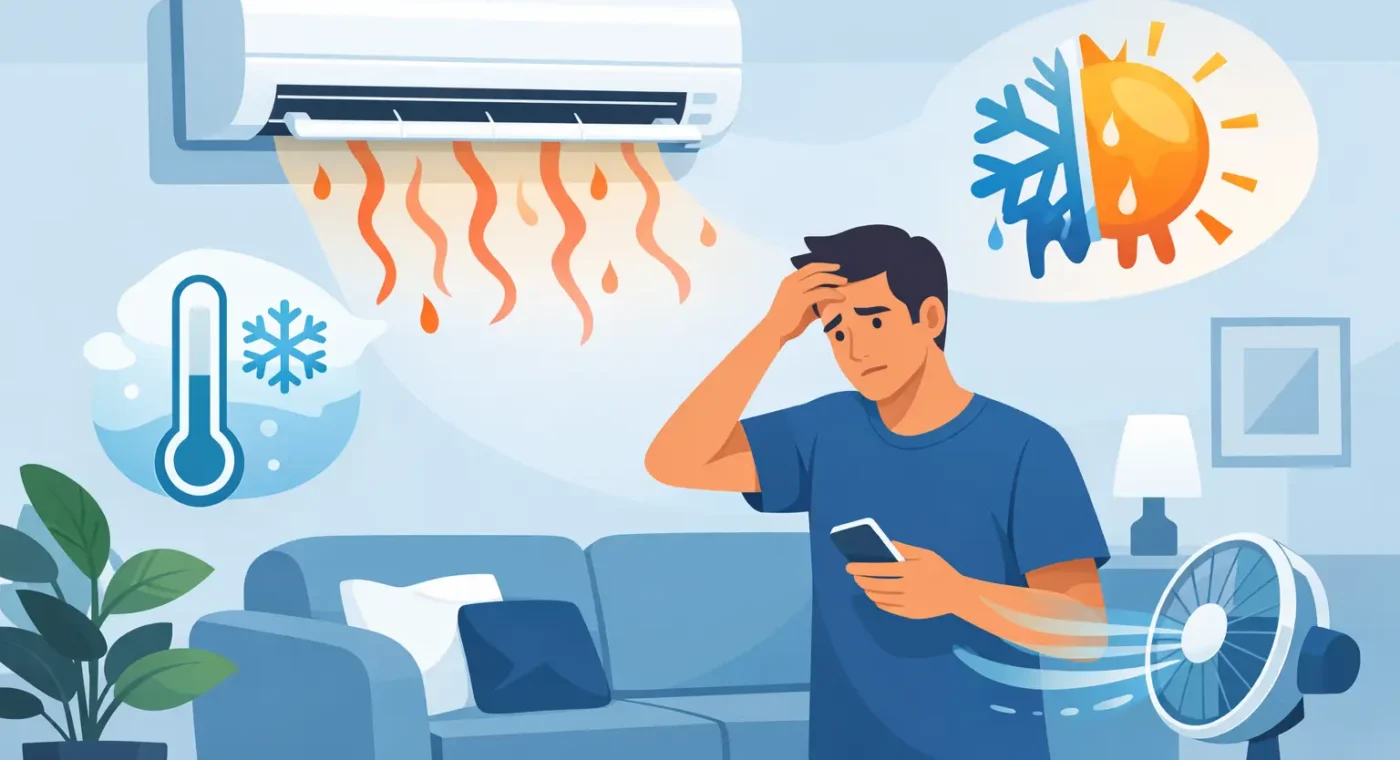
When your air conditioner is not cooling properly, the problem usually shows up fast. The house feels sticky by mid-afternoon, some rooms never get comfortable, and the system seems to run longer without getting the job done. For homeowners, landlords, and business operators, that is more than an inconvenience – it is a comfort, cost, and reliability issue.
The good news is that poor cooling does not always mean a full system replacement. In many cases, the cause is something straightforward, like restricted airflow, a thermostat issue, or a component that needs professional repair. The key is knowing what you can safely check on your own and when it makes sense to bring in a licensed technician before the issue gets worse.
Why an air conditioner is not cooling properly
Air conditioning systems depend on a few basics working together: airflow, refrigerant balance, electrical performance, and accurate control signals from the thermostat. If one part of that chain fails, cooling drops off quickly.
Sometimes the issue is obvious. A dirty filter can choke airflow and make the system struggle. Other times, the symptoms point to something deeper, such as a refrigerant leak, a failing capacitor, a frozen evaporator coil, or an outdoor condenser that cannot release heat efficiently. Different problems can create similar symptoms, which is why accurate diagnosis matters.
That is especially true for rental properties and commercial spaces. If tenants are complaining or customers are uncomfortable, guessing can lead to wasted time and repeat service calls. A clear diagnosis saves money and gets the system back online faster.
What to check first before calling for service
There are a few simple checks that can rule out the most common causes.
Start with the thermostat. Make sure it is set to cool, not fan, and that the temperature setting is actually below the current room temperature. It sounds basic, but incorrect settings, dead batteries, or a thermostat that is not reading properly can make the system appear broken when the issue is control-related.
Next, inspect the air filter. If it is clogged with dust and debris, airflow drops and cooling performance suffers. In some systems, severely restricted airflow can even cause the indoor coil to freeze. Replacing a dirty filter is one of the fastest and most affordable ways to improve performance.
Then check the vents and returns. Closed supply vents, blocked return grilles, or furniture pushed against airflow paths can create uneven cooling. If one room is hot and another is cold, airflow imbalance may be part of the problem.
Take a look outside as well. The outdoor unit needs space to release heat. If the condenser is packed with leaves, dirt, grass clippings, or other debris, efficiency drops. You do not need to disassemble anything, but clearing obvious obstructions around the unit can help.
If the system is running but barely cooling, turn it off and look for ice on the indoor lines or coil area. Ice usually means something is wrong with airflow or refrigerant levels. Letting it continue to run can add strain to the system.
Signs the problem is more than basic maintenance
If you have already checked the thermostat, filter, and vents, but the AC still is not performing, the issue may need professional repair.
Warm air from the vents is one of the clearest warning signs. That can point to low refrigerant, a compressor problem, electrical failure in the outdoor unit, or a reversing valve issue in certain systems. If the indoor fan is moving air but it is not actually cool, the system is not completing the cooling cycle correctly.
Short cycling is another red flag. If the unit turns on and off frequently without fully cooling the space, it may be dealing with thermostat problems, electrical issues, overheating, or an improperly sized system. Short cycling also increases wear and can push utility costs higher.
Unusual sounds matter too. Buzzing, clicking, rattling, or humming can indicate loose components, motor trouble, failing capacitors, or contactor issues. These are not problems to ignore, especially if the system is also losing cooling performance.
A sudden spike in energy bills can also tell you something. If your air conditioner is running longer than normal to maintain the same temperature, efficiency has likely dropped. The system may still be operating, but not correctly.
Common repairs behind poor cooling
A dirty evaporator or condenser coil is a common cause of weak cooling. Coils are responsible for absorbing and releasing heat. When they are coated with grime, the system cannot transfer heat efficiently, and performance drops.
Low refrigerant is another frequent issue, but it is often misunderstood. Refrigerant does not get “used up” like fuel. If levels are low, there is usually a leak. Adding more refrigerant without finding the leak is a temporary fix at best. Proper repair means locating the source, fixing it, and charging the system to the correct level.
Electrical parts also fail over time. Capacitors, contactors, relays, and fan motors are all critical to proper AC operation. A weak capacitor, for example, may allow the system to start inconsistently or struggle under load. That can look like poor cooling when the real issue is electrical.
Drain line problems can also affect performance. If the condensate drain is clogged, some systems will shut down or limit operation to prevent water damage. You may notice poor cooling along with water around the air handler or a safety switch interruption.
In older systems, compressor wear is a serious possibility. The compressor is central to the cooling process, and when it starts to fail, the system may still run but no longer cool effectively. This is one of those situations where repair versus replacement depends on unit age, condition, and cost.
When to repair and when to replace
Not every cooling problem calls for a new unit. Many AC issues can be fixed quickly if caught early. A capacitor replacement, coil cleaning, thermostat correction, or refrigerant leak repair is very different from replacing a major system component.
That said, age matters. If the air conditioner is more than 10 to 15 years old, needs frequent repairs, and still struggles to keep up, replacement may be the more cost-effective choice. The same goes for systems with major compressor failure or chronic refrigerant leaks in aging equipment.
For property owners and managers, the decision often comes down to reliability. A lower repair bill today is not always the best value if the same unit is likely to fail again during the next heat wave. On the other hand, replacing a system too early can be unnecessary if the rest of the equipment is in solid condition.
A professional inspection helps clarify that trade-off. The right recommendation should account for repair cost, remaining equipment life, energy efficiency, and how urgent dependable cooling is for the space.
Air conditioner not cooling properly in homes and commercial spaces
Residential and commercial cooling problems can look similar on the surface, but the impact is different.
In a home, poor cooling affects sleep, comfort, indoor air quality, and utility costs. In a rental property, it can quickly become a tenant satisfaction issue and a maintenance priority. In a business, it can disrupt staff productivity, customer experience, and even equipment performance depending on the environment.
That is why speed matters. A delayed response can turn a manageable repair into a larger operational problem. EAAIRS Services and Repair Ltd. is built around that reality, with fast response, licensed technicians, clear pricing, and service designed to reduce downtime for both homeowners and commercial clients.
How to avoid repeat cooling problems
Preventive maintenance is the most reliable way to reduce AC breakdowns and poor performance. That does not mean every issue can be avoided, but regular service catches wear before it becomes a no-cooling call.
Seasonal maintenance typically includes filter checks, coil inspection, electrical testing, refrigerant evaluation, condensate drain review, and confirmation that the thermostat and controls are working correctly. These steps improve efficiency and reduce the chance of surprise failures during peak demand.
For landlords and commercial operators, scheduled maintenance is also a planning advantage. It helps avoid emergency repairs, supports tenant retention, and reduces the risk of costly interruptions during the hottest part of the year.
Even simple habits help. Changing filters on schedule, keeping vents open, and making sure the outdoor unit stays clear can support better airflow and system performance between service visits.
When it is time to call a professional
If your AC is blowing warm air, freezing up, making unusual noises, tripping breakers, or running constantly without cooling the space, it is time for a professional diagnosis. The same goes for repeated thermostat issues or unexplained increases in your electric bill.
Air conditioning systems involve refrigerant, electrical components, and moving parts that should be handled safely and correctly. A quick guess can miss the real cause. A proper service call should identify the issue, explain the repair clearly, and give you a direct path back to reliable cooling without unnecessary upsells.
When comfort matters and downtime is costing you, the best next step is not to wait for the problem to become urgent. A system that is struggling today usually gives you a chance to fix it before it fails completely tomorrow.
One Reply on “Air Conditioner Not Cooling Properly?”