
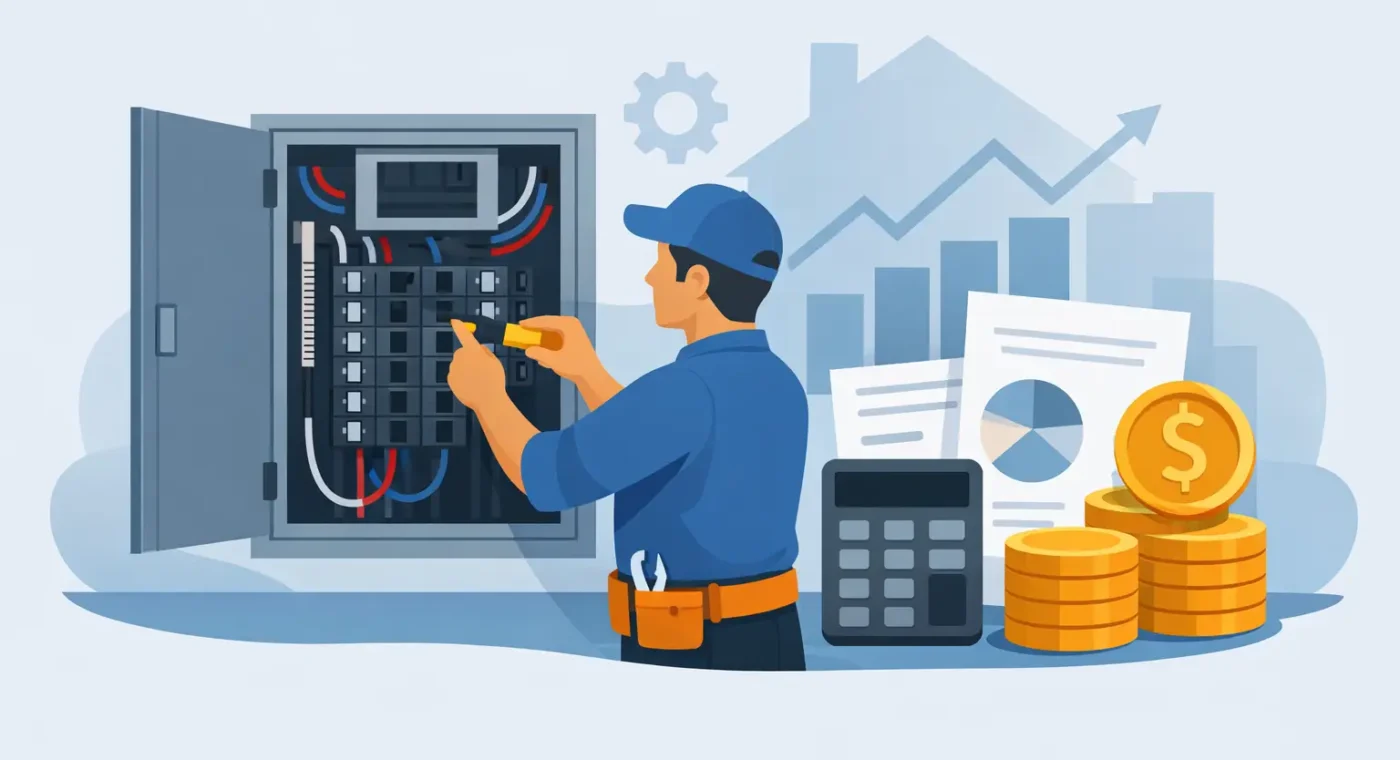
When the lights flicker after you start the microwave, or a breaker trips every time the AC kicks on, the question usually comes fast: what is the electrical panel upgrade cost, and do you really need to do it now? For homeowners, landlords, and business operators, this is rarely a cosmetic project. It is usually about safety, capacity, and avoiding bigger problems later.
An electrical panel is the control point for power across the property. If it is outdated, undersized, damaged, or simply unable to keep up with modern demand, an upgrade can move from optional to urgent. The price can vary quite a bit, but once you understand what affects the total, it becomes much easier to plan the work and avoid surprises.
What the electrical panel upgrade cost usually includes
In most cases, the cost is not just for a new metal box with breakers. A proper panel upgrade typically includes labor, the new panel, breakers, permitting, inspection, and the safe disconnect and reconnection of power. Depending on the job, it may also include replacing service entrance components, grounding upgrades, meter socket work, or bringing parts of the system up to current code.
That is why estimates can look very different from one property to another. A straightforward residential panel swap is one thing. A full service upgrade with utility coordination and code corrections is another.
For many US properties, a basic residential panel upgrade may fall somewhere around $1,500 to $4,000. If the work involves increasing amperage, replacing the meter base, upgrading grounding, moving the panel, or correcting older wiring issues, the total can rise to $4,000 to $8,000 or more. Commercial spaces can go higher depending on load demands, panel size, access, and downtime requirements.
These are broad planning numbers, not fixed prices. The only reliable number is the one based on your actual panel, load needs, and local code requirements.
Why prices vary so much
The biggest reason electrical estimates vary is that no two service setups are exactly alike. The age of the building matters. So does the panel brand, the incoming service size, and whether the existing installation meets current safety standards.
A home with a crowded 100-amp panel may only need a clean upgrade to 200 amps with new breakers and code-compliant grounding. Another property may have aluminum branch wiring concerns, obsolete equipment, a damaged bus bar, or an outdoor meter assembly that also needs replacement. Those conditions change the scope quickly.
Access also affects labor. A panel located in a finished basement with limited clearance can take more time than one mounted in an open garage. If the electrician has to coordinate with the utility company for a service disconnect and reconnect, that can add scheduling complexity and cost.
Main factors that affect electrical panel upgrade cost
Amperage increase
Moving from 100 amps to 200 amps is one of the most common upgrades. It gives the property more capacity for central air, EV charging, updated kitchen appliances, electric water heaters, or workshop equipment. Increasing service size usually costs more than replacing a panel with the same amperage because it may require utility-side coordination and additional component upgrades.
Panel size and breaker count
A larger panel with more spaces and higher-quality breakers will cost more than a small replacement panel. If you need extra room for future circuits, that can be a smart investment rather than choosing the smallest option that barely fits current needs.
Condition of existing wiring
Sometimes the panel is the main issue. Other times the panel reveals older wiring problems that need attention before the new equipment can be installed safely. If the electrician finds overheated conductors, double-tapped breakers, improper bonding, or outdated grounding, those repairs may be necessary to complete the job properly.
Permit and inspection requirements
Permits are a normal part of legitimate panel work. They protect the property owner and help ensure the installation meets code. Permit fees vary by city and county, and some jurisdictions have stricter requirements than others. Skipping permits may look cheaper upfront, but it can create liability, insurance issues, and trouble during a sale or inspection later.
Utility and meter work
If the utility company has to disconnect power, replace service conductors, or approve meter-related changes, the timeline and total price may increase. In some jobs, the meter socket or riser also needs replacement, especially on older homes.
Location and urgency
Labor rates vary by market. Emergency scheduling can also affect price if the panel is damaged, overheating, or causing an active power issue that cannot wait. Fast, professional service matters in these cases because delays can create safety risks and longer downtime.
When a panel upgrade is usually worth it
A panel upgrade is often worth the cost when it solves recurring electrical issues and supports the way the property is used today. If breakers trip regularly, lights dim under load, or extension cords have become a permanent workaround, the system may be telling you it is undersized.
It also makes sense when you are adding equipment that draws significant power. Common examples include HVAC replacements, electric dryers, induction ranges, hot tubs, EV chargers, tankless water heaters, and commercial kitchen equipment. Installing high-demand equipment on an already stressed panel can lead to nuisance trips at best and unsafe conditions at worst.
Insurance can be another factor. Some older panels and obsolete brands are considered higher risk. If your insurer has raised concerns, a proactive replacement may protect both safety and insurability.
Repair vs. full replacement
Not every panel problem means the entire panel has to go. In some cases, a failed breaker, loose connection, or isolated wiring issue can be repaired without a full upgrade. That said, patchwork repairs on an outdated or overloaded panel only go so far.
If the panel is full, obsolete, damaged, or no longer suited to the building’s electrical demand, replacement is usually the better long-term value. A lower repair bill today can become more expensive if it delays necessary work and leads to repeated service calls or equipment damage.
This is where a clear inspection matters. A trustworthy electrician should explain whether you need a repair, a like-for-like replacement, or a true service upgrade, and why.
Residential and commercial cost differences
For homeowners and landlords, panel upgrades are usually tied to comfort, safety, and planned improvements. For commercial operators, the stakes can be even higher because electrical capacity affects uptime, equipment performance, and day-to-day operations.
A restaurant, retail space, or mixed-use property may need panel work that accounts for code compliance, heavier loads, specialized equipment, and scheduling around business hours. The electrical panel upgrade cost for commercial work is often higher because the systems are larger and the planning is more detailed. Downtime also has a real business cost, which is why fast response and accurate diagnosis matter.
How to get an accurate estimate
The best estimate starts with an on-site evaluation. Photos can help, but they rarely show everything that affects price. A licensed electrician should look at the panel rating, breaker condition, wiring type, grounding, available capacity, meter setup, and any planned additions to the load.
It helps to be clear about future needs, not just current problems. If you are planning to add an EV charger, remodel a kitchen, replace HVAC equipment, or expand commercial operations, say so upfront. It is often more cost-effective to size the panel correctly now than to pay for another upgrade later.
A good estimate should also explain what is included. Ask whether the quote covers permits, inspection, utility coordination, grounding upgrades, labeling, and cleanup. Transparent pricing is not just about the bottom line. It is about knowing the scope before the work starts.
How to keep the project cost under control
The cheapest quote is not always the least expensive choice. Panel work affects the safety of the whole property, so workmanship and code compliance matter. A low estimate that excludes permits or overlooks needed corrections can lead to higher costs later.
You can manage cost by planning ahead when possible, bundling related electrical work into one visit, and choosing a contractor who gives a detailed estimate rather than a vague number. If the panel upgrade is part of a larger project, coordinating the work early can reduce repeat labor and scheduling delays.
For property managers and business owners, it also helps to think in terms of risk reduction. A reliable panel can reduce nuisance outages, protect equipment, and make future service work easier. That value does not always show up in the first line of the estimate, but it matters.
Choosing the right electrician for a panel upgrade
This is not a handyman job. Panel upgrades should be handled by licensed electricians who understand local code, permit requirements, load calculations, and utility coordination. The right contractor should be able to explain the problem clearly, offer practical options, and complete the work with as little disruption as possible.
That is especially important when the issue is urgent. Whether you are managing a home, rental, or commercial space, you need fast response, honest recommendations, and work done right the first time. Companies like EAAIRS Services and Repair Ltd. build trust by combining responsive service with transparent estimates and professional follow-through.
If you are weighing the electrical panel upgrade cost, the right question is not only what it costs today. It is what the upgrade protects you from tomorrow – unsafe conditions, repeated outages, limited capacity, and avoidable downtime.
3 Reply on “Electrical Panel Upgrade Cost Explained”