
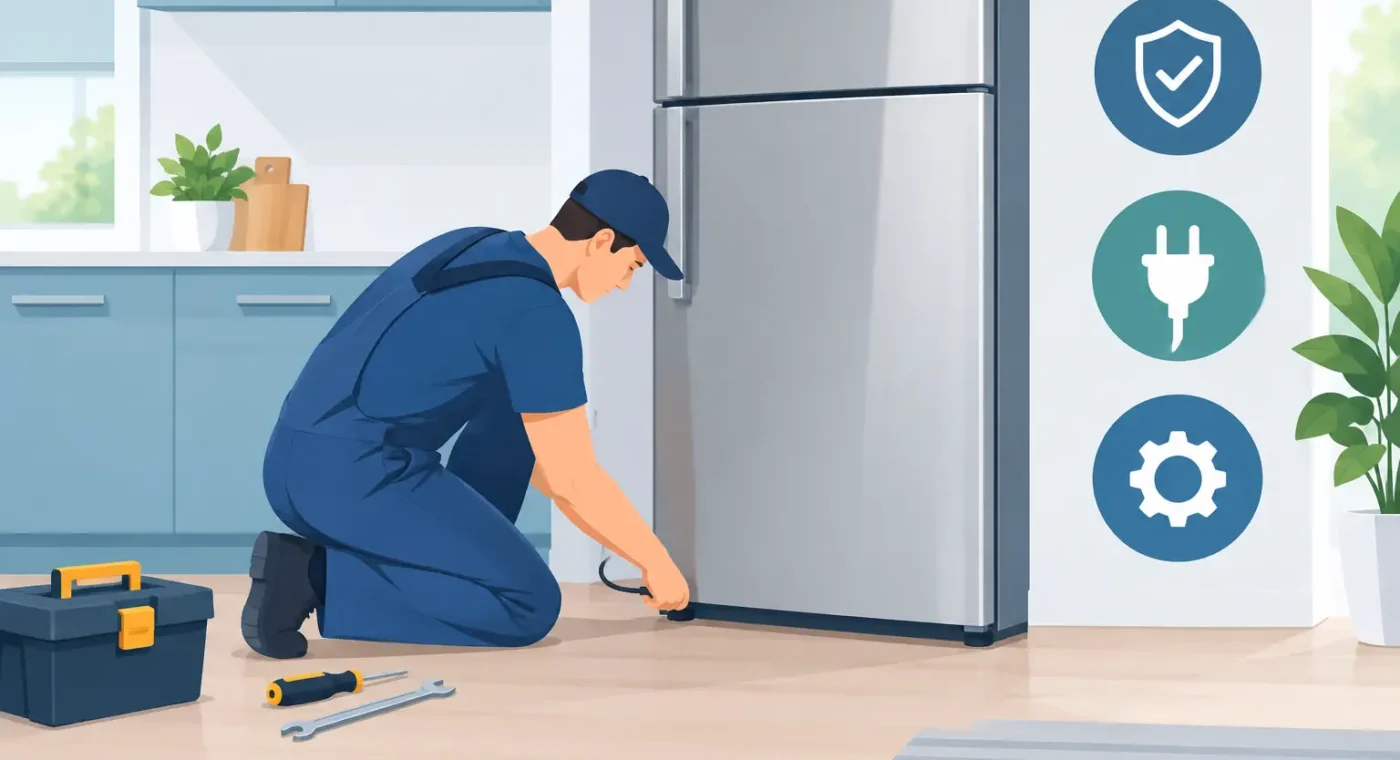
A new appliance should make life easier, not create a water leak, electrical hazard, gas concern, or a day of lost business. Whether you are replacing a refrigerator at home, adding a washer in a rental property, or installing commercial kitchen equipment, the quality of the setup matters as much as the appliance itself. This appliance installation guide explains what should happen before, during, and after installation so your equipment can operate safely and reliably.
Start With the Space, Not the Appliance
Many installation problems begin before the appliance is ever delivered. A unit may fit through the door but fail to fit the cabinet opening, block a walkway, lack proper ventilation, or sit too far from the connections it needs. Measure the width, height, and depth of the appliance space, including clearance for doors, drawers, hoses, power cords, and service access.
For homeowners, this step is especially important when replacing older equipment. Building codes, outlet types, plumbing connections, and cabinet dimensions may have changed since the original appliance was installed. A new electric range may require a different circuit than the previous model. A modern refrigerator with an ice maker may need a water line that was never installed. A dryer may need a safer duct route than the existing flexible connection provides.
Commercial operators should also confirm access routes and operating clearances. Large refrigeration units, ovens, dishwashers, and prep equipment can affect workflow, fire safety, utility capacity, and sanitation requirements. An appliance that is installed in the wrong location can create ongoing operational delays long after the installation team leaves.
Confirm the Utility Requirements First
Every appliance depends on the right power source, connection type, and capacity. Matching the plug to an outlet is not enough. The circuit, wiring, shutoff valves, drain system, gas supply, and ventilation must be suitable for the specific appliance and its manufacturer requirements.
Electrical appliances may need a dedicated circuit to avoid overloads, tripped breakers, overheating, and poor performance. Common examples include electric ranges, dryers, wall ovens, dishwashers, garbage disposals, and larger air conditioning equipment. If an outlet is damaged, ungrounded, loose, or improperly rated, it should be corrected before the appliance is connected.
Gas appliances require even more caution. A gas range, dryer, water heater, or commercial cooking appliance must have an approved gas connection, accessible shutoff valve, proper fittings, and a leak-free installation. Gas odor, hissing sounds, damaged connectors, or uncertain pipe conditions are reasons to stop and call a qualified professional. Never test for a gas leak with a flame.
Water-connected appliances need secure supply lines and a dependable drain path. A washing machine, dishwasher, refrigerator ice maker, and water heater can cause significant property damage from a small leak. Supply hoses should not be kinked, stretched, or hidden where they cannot be inspected. Drain hoses must be routed correctly to prevent backflow, leaks, and poor drainage.
Appliance Installation Guide: Prepare Before Delivery
Preparation helps avoid extra labor, delays, and unexpected costs on installation day. Clear a path from the entrance to the installation area, remove the old appliance if that service is not included, and protect floors where heavy equipment will be moved. Keep children and pets away from the work zone.
Before the technician arrives, locate the relevant utility shutoffs if you can. That may include the water shutoff valve, gas shutoff valve, electrical panel, or appliance disconnect. You do not need to perform technical work yourself, but knowing where these controls are can save time if access is needed.
It is also wise to keep the appliance manual, model number, and any included installation parts available. Not every manufacturer includes the power cord, water line, dryer vent connector, trim kit, or mounting hardware needed for a complete setup. Confirm what is included instead of assuming the delivery box contains every required part.
For rental properties and commercial locations, document the condition of the installation area before work begins. This creates a clear record of existing wall, floor, cabinet, plumbing, and electrical conditions. It also helps property managers coordinate access and reduce disruption for tenants or staff.
Why Leveling and Ventilation Matter
An appliance can be connected correctly and still perform poorly if it is not level or has inadequate airflow. Refrigerators may have trouble sealing or draining correctly. Washers can shake violently and wear out faster. Dishwashers may not drain as intended. A range can sit unevenly, creating a cooking and safety concern.
Leveling is not simply an appearance detail. It affects moving parts, water flow, door operation, and long-term wear. Adjustable feet should be set carefully, and the appliance should remain stable when doors are opened or baskets are extended.
Ventilation requirements deserve the same attention. Refrigerators release heat and need space around coils or vents. Dryers need a properly routed exhaust system that sends moisture, heat, and lint outdoors. Improper dryer ducting can reduce drying performance, raise energy use, and increase fire risk. Indoor venting or crushed, excessively long, poorly connected duct runs should be evaluated and corrected.
Commercial appliances often have additional ventilation needs based on heat output, grease production, refrigeration load, or local code requirements. In these settings, installation can involve more than one trade. Electrical, gas, HVAC, plumbing, and ventilation conditions may all need review before equipment is placed into service.
Test the Appliance Before Calling the Job Complete
A professional installation should include more than attaching lines and turning on the power. The appliance needs a functional test. This confirms that the connections hold under normal operating conditions and that the unit is ready for daily use.
For a dishwasher or washing machine, testing should include filling, draining, checking hoses, and inspecting for leaks. For a refrigerator, verify that it powers on, doors seal properly, water dispensing works if applicable, and the unit has proper clearance. For a dryer, run the appliance and confirm strong airflow at the outside vent. For a range or oven, check the controls, heating elements or burners, and safe operation of the electrical or gas connection.
Pay attention during the first few cycles after installation. New appliances can reveal small issues only after water pressure, heat, vibration, or normal loads are introduced. Check around the appliance for moisture, unusual smells, error codes, rattling, repeated breaker trips, or poor drainage. Addressing a problem early is far less disruptive than discovering it after a leak damages flooring or a unit fails during a busy shift.
Know When Professional Installation Is the Better Choice
Some simple installations can be appropriate for experienced homeowners when the utility connections are already correct and the manufacturer instructions are followed exactly. However, the risk changes quickly when an installation involves gas, a new circuit, a hardwired appliance, plumbing modifications, ventilation work, cabinetry changes, or commercial equipment.
Professional service is also a practical choice when time matters. Property managers may need a unit returned to service quickly between tenants. Restaurants and commercial kitchens cannot afford extended equipment downtime. Homeowners may prefer one qualified team that can identify an electrical, plumbing, duct, or appliance issue without scheduling several separate contractors.
EAAIRS Services and Repair Ltd. can coordinate appliance installation with the related electrical, water, gas, ventilation, and repair work that may be needed. A clear estimate and a proper inspection help prevent surprises, especially when older connections or hidden defects are involved.
Protect Your Appliance After Installation
Installation is the beginning of the appliance’s service life, not the last step. Keep the area around the unit clean, avoid overloading washers and dryers, inspect visible hoses and cords periodically, and follow the manufacturer maintenance schedule. Clean refrigerator coils when applicable, clear dryer lint filters after every load, and schedule dryer duct cleaning when airflow declines or lint buildup is suspected.
For businesses, routine maintenance protects more than equipment. It protects inventory, customer service, staff productivity, and revenue. A commercial refrigerator, oven, dishwasher, or ice machine that receives attention before it fails is easier to manage than an emergency shutdown during operating hours.
If a connection looks questionable, the appliance is not performing normally, or you are planning an installation that touches electrical, gas, water, or ductwork, pause before proceeding. A careful inspection now can protect your property, your equipment, and the comfort or continuity you depend on every day.