
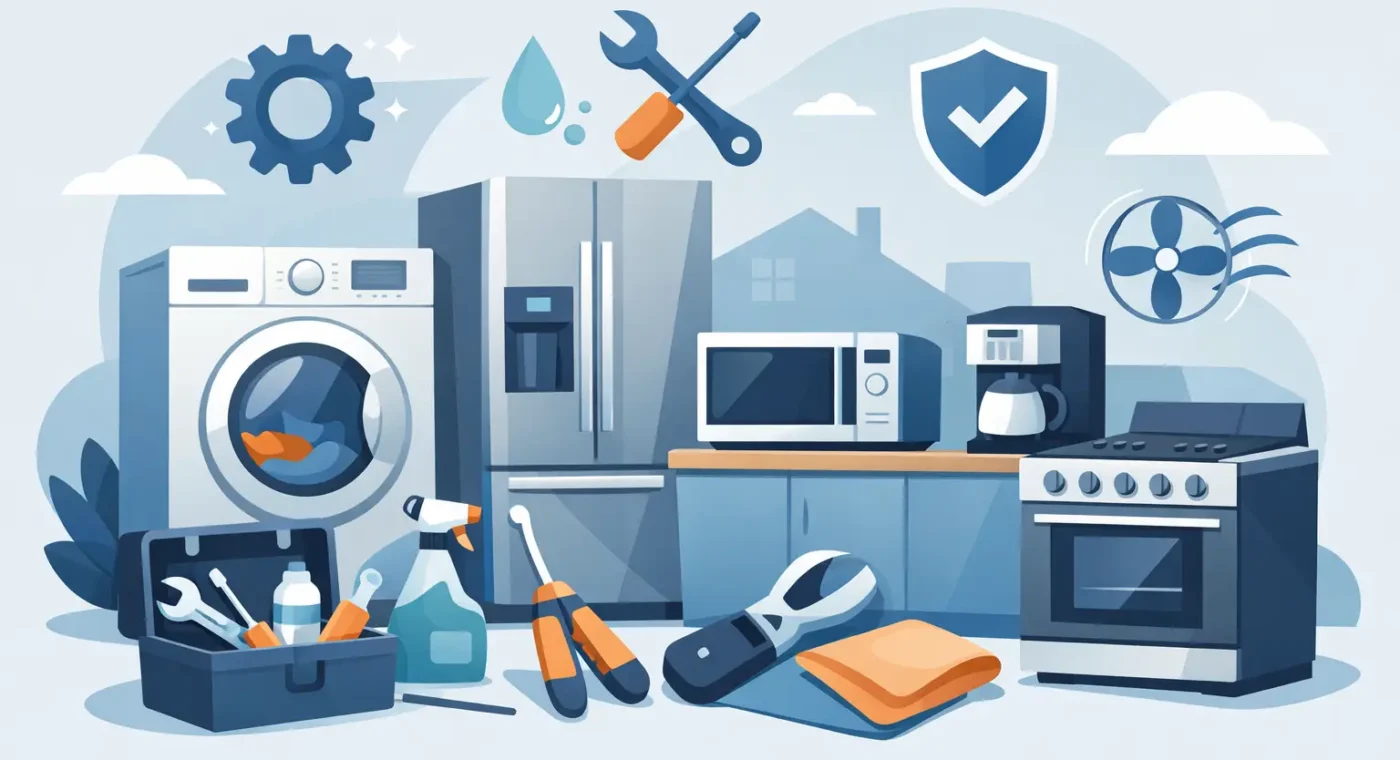
A refrigerator stops cooling on a Friday night. A dryer takes two cycles to finish. The dishwasher leaves grit on every plate. Most appliance problems do not start as emergencies – they start as small maintenance issues that go ignored until they turn into downtime, spoiled food, or a repair bill you did not plan for.
The best maintenance for home appliances is not complicated, but it does need to be consistent. For homeowners, landlords, and property managers, the goal is simple: keep essential equipment running safely, efficiently, and as long as possible. A few smart habits can reduce breakdowns, lower utility costs, and help you catch warning signs before they interrupt your routine.
Why the best maintenance for home appliances matters
Appliances work hard every day, and most people only notice them when they fail. That is understandable, but it is also expensive. A neglected refrigerator coil makes the unit work harder. A clogged dryer vent raises drying times and fire risk. A washing machine with worn hoses can leak without much warning.
Good maintenance protects more than the machine itself. It protects food, clothing, flooring, cabinets, and your time. If you manage rental property or run a busy household, even one appliance outage can create a chain reaction of inconvenience. In commercial settings or high-use homes, the stakes are even higher because equipment gets used harder and wears faster.
There is also a trade-off to keep in mind. Some maintenance is easy for a homeowner to handle, while other tasks are better left to a trained technician. Cleaning a lint screen is one thing. Diagnosing an electrical issue, replacing a heating element, or checking an appliance that repeatedly trips a breaker is another.
Refrigerator maintenance that pays off quickly
Your refrigerator runs around the clock, so even minor inefficiency adds up. One of the most useful maintenance steps is cleaning the condenser coils. When dust and pet hair build up, the system has to work harder to keep food cold. That can shorten component life and increase energy use.
Check the door gaskets too. If the seal is loose, cracked, or dirty, cold air escapes and the compressor cycles more often. Wipe the gasket clean and make sure the door closes fully without resistance from overloaded shelves or misaligned bins.
Temperature matters as well. Set the refrigerator and freezer to manufacturer-recommended ranges, and avoid overpacking either compartment. A full fridge can hold temperature well, but blocked vents reduce airflow and create uneven cooling. If you notice frost buildup, water pooling, or temperature swings, that is usually the time to schedule service instead of waiting for a full failure.
Dishwasher care that improves cleaning results
When a dishwasher stops cleaning well, people often assume they need a new appliance. In many cases, the problem is maintenance. Start with the filter. Many dishwashers have a removable filter that collects food particles. If it stays clogged, water cannot circulate properly and dishes come out dirty.
The spray arms also need attention. Small debris can block the holes and weaken water pressure. A quick cleaning can restore performance. It also helps to check the door seal for residue or wear, especially if you notice moisture escaping during a cycle.
Detergent choice and water conditions matter too. Hard water can leave scale inside the machine and on dishes, while too much detergent can create buildup. If the dishwasher smells bad, drains slowly, or leaves standing water, that may point to a deeper issue with the pump or drain system that should be inspected professionally.
Washer and dryer maintenance for safety and performance
Laundry appliances deserve more attention than they usually get. For washers, inspect supply hoses regularly. Rubber hoses can crack or bulge over time, and a failed hose can cause major water damage fast. If your machine shakes excessively, check that it is level and do not ignore the vibration. Ongoing imbalance can wear out suspension components and stress nearby connections.
Front-load washers need the door gasket cleaned and dried to help prevent mold and odor. Leaving the door slightly open between loads can make a real difference. Top-load and front-load models both benefit from periodic cleaning cycles to remove detergent residue and buildup.
For dryers, lint removal is the bare minimum. Clean the lint screen after every load, but do not stop there. The vent line and exhaust duct need regular cleaning as well. If clothes take longer to dry, the outside vent flap barely opens, or the laundry room feels unusually hot, airflow may be restricted. That affects performance and raises fire risk.
This is one area where routine professional service is often worth it. Dryer duct cleaning is not just about efficiency – it is a practical safety measure.
Oven and range upkeep that supports safe operation
Cooking appliances can hide problems until they become obvious. Burners that click constantly, heat unevenly, or take too long to respond may be dealing with dirty components, ignition issues, or electrical faults. Spills should be cleaned promptly because baked-on grease can affect performance and create smoke or odor during future use.
For ovens, watch how long preheating takes and whether food cooks evenly. A faulty temperature sensor or heating element can go unnoticed for a while because the appliance still turns on, just not accurately. That kind of issue often gets dismissed as a cooking problem when it is really an equipment problem.
If you have a gas unit, any unusual smell, delayed ignition, or inconsistent flame should be checked right away. Safety always comes first, and gas or electrical repairs are not good DIY territory.
Small maintenance habits that prevent bigger repairs
Best maintenance for home appliances by routine
The most effective maintenance plans are the ones people will actually follow. That usually means keeping the routine simple. Monthly, check for leaks, unusual noises, slow performance, and buildup around vents, filters, and seals. Every few months, clean the areas that collect dust, grease, or lint. Once or twice a year, take a closer look at hoses, drains, leveling, and overall performance.
It also helps to pay attention to what your appliances are telling you. A louder-than-normal refrigerator, a washer that smells musty, or a dryer that suddenly runs hot is giving you a warning. Appliances rarely fail without some sign first.
For landlords and property managers, maintenance should also include tenant communication. Residents often do not report a slow drain, loose seal, or rising drying time until the problem becomes urgent. A basic check-in schedule can help catch issues sooner and reduce emergency calls.
When to call a professional instead of waiting
There is a point where maintenance ends and repair begins. If an appliance is tripping breakers, leaking water, producing burning smells, failing to heat or cool properly, or shutting down mid-cycle, it is time for a proper diagnosis. Waiting can turn one failed part into damage across multiple components.
The same applies when one issue touches more than one system. A dishwasher problem may involve plumbing and electrical connections. A dryer issue may include the appliance and the ductwork. A refrigerator that is not cooling could involve fans, sealed system components, sensors, or control boards. Fast, accurate service matters because guessing costs time and money.
That is why many customers prefer working with one dependable service provider that can handle appliance, electrical, and related system concerns without sending them in circles. Companies such as EAAIRS Services and Repair Ltd. are built around that kind of practical support – quick response, clear pricing, and the ability to solve problems without adding stress.
The smartest maintenance plan is the one you can keep
Perfection is not the goal. Consistency is. If you clean what should be cleaned, watch for early warning signs, and get professional help before a minor issue becomes major, your appliances will usually reward you with better performance and a longer service life.
A good appliance routine does not need to take over your schedule. It just needs to be steady enough that your home keeps working the way it should, with fewer surprises and less disruption when you need reliability most.