
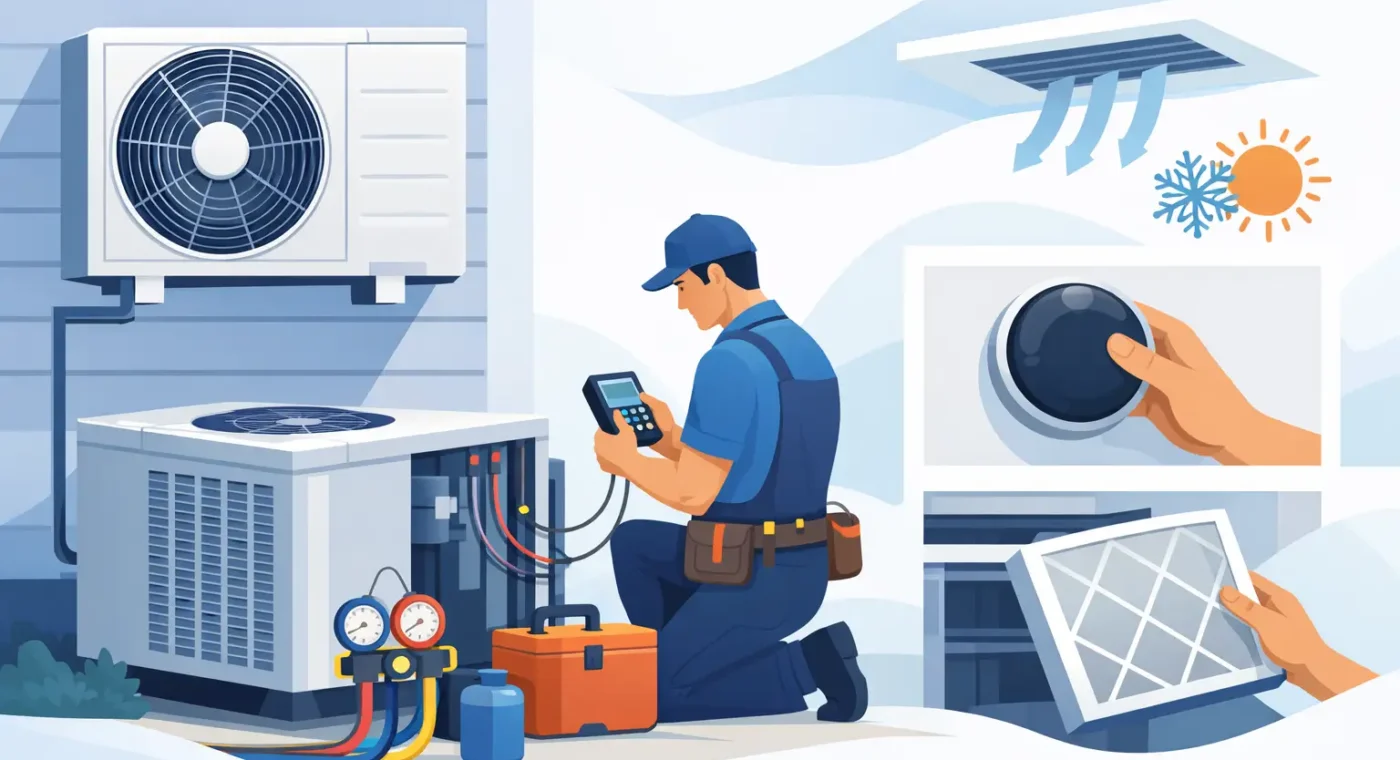
When your central air starts running longer, cooling unevenly, or pushing out weak airflow, the problem often begins with maintenance that got delayed. Knowing how to maintain central air can help you avoid mid-season breakdowns, higher utility bills, and the frustration of calling for urgent repairs on the hottest day of the year.
For homeowners, landlords, and property managers, the goal is not to turn maintenance into a weekend project that takes all day. It is to keep the system clean, efficient, and dependable so your property stays comfortable and your equipment lasts as long as it should. A few basic habits make a real difference, and professional service fills in the gaps where safety, refrigerant handling, or electrical work are involved.
Why central air maintenance matters
Central air systems do not usually fail all at once. In most cases, performance slips first. Airflow gets weaker, rooms cool unevenly, energy use climbs, and the equipment runs harder to deliver the same result. That extra strain can shorten the life of major components like the blower motor, capacitor, contactor, or compressor.
Routine maintenance is less about chasing perfect efficiency and more about preventing avoidable wear. A clean filter, open vents, and a debris-free outdoor unit can reduce unnecessary stress. A professional tune-up catches issues most property owners will not see, such as refrigerant problems, loose electrical connections, or a drain line that is close to clogging.
If you manage rentals or commercial spaces, maintenance also protects uptime. One ignored issue can quickly turn into a tenant complaint, emergency service call, or comfort problem that disrupts daily operations.
How to maintain central air at home
The most effective place to start is the air filter. A dirty filter restricts airflow, which forces the system to work harder and can eventually affect temperature control throughout the property. Many homes should have the filter checked monthly and replaced every one to three months, but the exact timing depends on the filter type, pets, dust levels, occupancy, and how often the AC runs.
If your property includes pets, recent renovations, or frequent AC use, the filter may load up faster than expected. Waiting until it looks heavily clogged is usually too late. Replacing it on schedule is one of the simplest and most cost-effective ways to protect your system.
Next, check the supply and return vents. Furniture, rugs, curtains, or stored items can block airflow and make certain rooms feel warmer than others. Keep vents open and unobstructed. Closing too many vents to force air into another area may seem practical, but it can create pressure issues and reduce system efficiency.
Your thermostat also deserves attention. Weak batteries, incorrect settings, or poor placement can affect how the system cycles. Make sure it is set to cool, the temperature setting is accurate for the space, and the display is functioning properly. If a thermostat sits near direct sunlight or heat-producing appliances, it may misread indoor conditions and cause the system to run longer than necessary.
Outdoor unit care makes a bigger difference than most people think
The condenser unit outside needs room to breathe. Leaves, grass clippings, dirt, and overgrown shrubs can block airflow around the coil and trap heat where it should be released. That reduces efficiency and increases strain on the system.
Keep at least two feet of clearance around the unit when possible. Trim back vegetation and remove debris from the top and sides. After storms or heavy yard work, take a quick look to make sure the area is still clear.
You can gently rinse the exterior coil fins with a garden hose to remove surface dirt, but skip pressure washers. Too much force can bend the fins and restrict airflow. If the coil is heavily impacted with grime or the fins are already damaged, professional cleaning is the better choice.
It is also worth checking whether the unit appears level. Over time, soil can settle and shift the pad underneath. A noticeably unlevel condenser can affect operation and should be evaluated before it causes larger problems.
Drain line and moisture issues to watch
Central air does more than cool the air. It also removes humidity, and that means moisture has to drain out properly. If the condensate drain line clogs, water can back up and lead to ceiling stains, water damage, musty odors, or system shutdowns in units with safety switches.
One warning sign is standing water near the indoor unit. Another is a damp or musty smell when the system starts. Some drain line maintenance can be done by a professional during seasonal service, and that is usually the safer route if access is limited or the layout is not straightforward.
If your system has had past drain issues, do not ignore early signs. Water problems tend to get worse quickly, especially in hot weather when the AC is pulling more humidity from the air.
What professional central air maintenance should include
If you are serious about how to maintain central air for the long term, professional service should be part of the plan. Basic homeowner maintenance helps, but it does not replace a trained inspection.
A proper AC tune-up should include checking electrical connections, testing capacitors and contactors, inspecting blower performance, cleaning coils as needed, confirming thermostat operation, and verifying the condensate drain is working correctly. The technician should also assess refrigerant performance. Low refrigerant is not a normal maintenance issue like a dirty filter. It usually points to a leak or another problem that needs repair.
This is also where experienced diagnosis matters. A system that still runs can still have hidden issues, such as a weak capacitor or worn contactor that may fail during the next heat wave. Catching those parts early often means a planned repair instead of an emergency visit.
For landlords and commercial operators, scheduled maintenance helps with budgeting and reduces surprise downtime. It also creates a service history, which can be helpful when deciding whether to repair or replace aging equipment.
Signs your central air may need service sooner
Even a well-maintained system can develop problems. The key is responding before a minor issue becomes a major repair. If your central air is short cycling, blowing warm air, making unusual buzzing or rattling sounds, or causing a sudden spike in energy costs, it is time to have it checked.
Uneven cooling is another common sign. Sometimes the issue is airflow-related and relatively simple. In other cases, it points to duct leakage, blower issues, low refrigerant, or a thermostat problem. The right answer depends on the system, the property, and how long the issue has been building.
Frequent breaker trips should never be ignored. That can signal an electrical problem, a failing component, or excessive strain somewhere in the system. Because central air involves both electrical and mechanical systems, professional testing is the safest next step.
Seasonal timing matters
The best time for central air maintenance is before peak summer demand. Spring service gives you a chance to catch worn parts, airflow restrictions, or control issues before the system is under constant load. That said, maintenance is still worth scheduling later if it was missed. A delayed tune-up is better than no tune-up.
For properties with heavy cooling demand, older equipment, or multiple occupants, a more proactive maintenance schedule may make sense. The same applies to small businesses and rental properties where comfort complaints can affect operations or tenant satisfaction.
There is also a difference between maintenance and repair planning. If your system is older and has needed repeated service, maintenance may keep it running, but it may not be the most cost-effective long-term answer. A trusted technician should be able to explain that clearly, with transparent pricing and no pressure.
The goal is reliability, not guesswork
Learning how to maintain central air is really about keeping small issues from turning into expensive ones. Replace filters on time, keep vents and the outdoor unit clear, pay attention to warning signs, and do not postpone professional service when the system starts acting differently.
Reliable cooling comes from a combination of simple routine care and expert attention at the right time. If you want fewer surprises, lower system strain, and a better chance of avoiding urgent repairs, regular maintenance is one of the smartest service decisions you can make.