
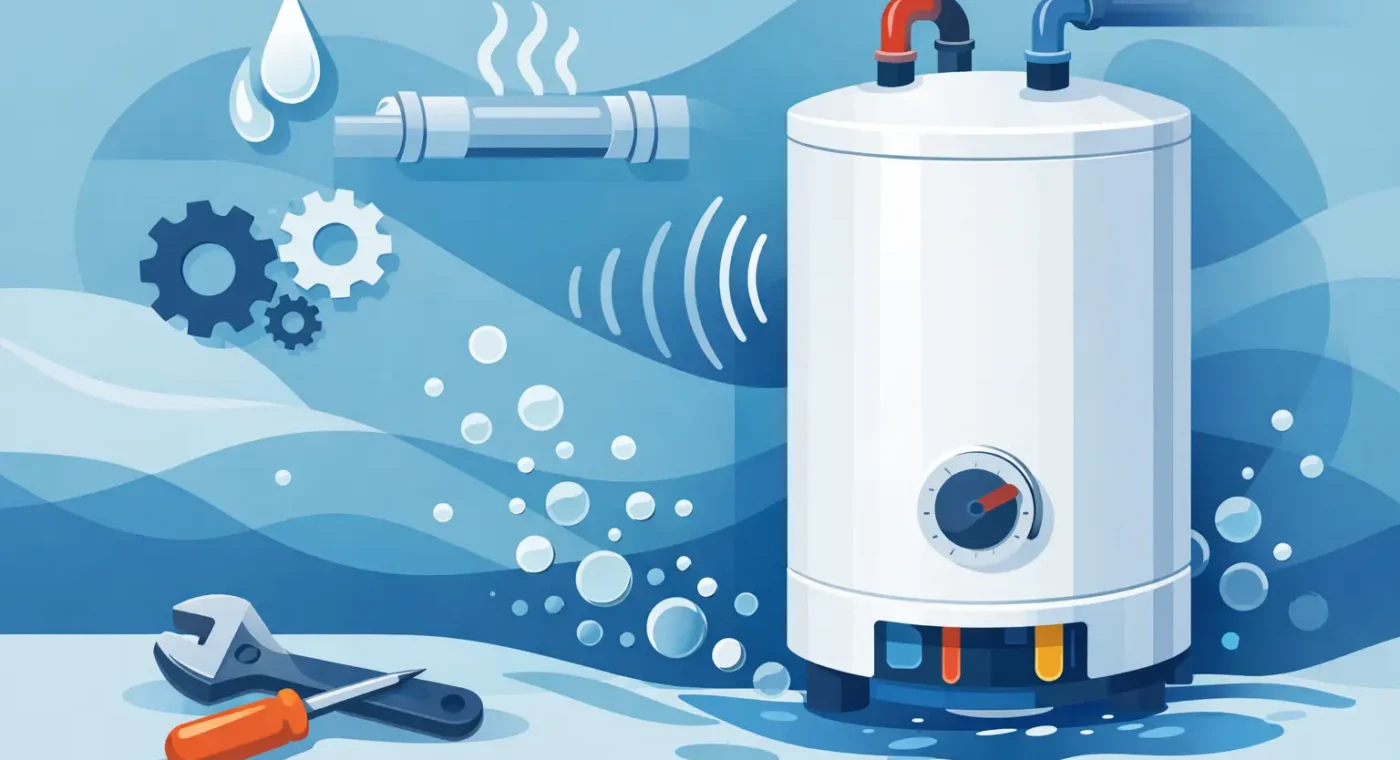
A water heater that suddenly starts popping, rumbling, or hissing can make a home or business feel like there is a major problem hiding in the utility room. Sometimes the cause is minor. Other times, the sound points to pressure, overheating, a leak, or a component that needs prompt attention. Understanding what causes water heater noises helps you decide when to monitor the unit and when to arrange professional service before hot water, property, or daily operations are affected.
What Causes Water Heater Noises?
Most water heater sounds come from one of four areas: mineral sediment inside the tank, water pressure changes, loose or failing parts, or water moving through nearby plumbing. The type of heater matters, too. Tank-style gas and electric water heaters have different components, while tankless units create their own set of sounds when flow, scale buildup, or fans are involved.
The key is not simply whether the heater makes noise. It is whether the sound is new, getting louder, occurring with a leak, or affecting hot-water performance. A technician can identify the source quickly and explain the repair options before a small issue becomes a disruptive one.
Popping or rumbling: sediment at the bottom of the tank
Popping, crackling, or low rumbling is one of the most common water heater complaints. In a tank-style heater, minerals from hard water settle at the bottom over time. As the burner or electric elements heat the water below that layer, small pockets of water can become trapped and boil through the sediment. That creates the popping sound.
A light amount of noise does not always mean the tank will fail immediately. But heavy sediment reduces heating efficiency, can make the unit work harder, and may contribute to overheating at the bottom of the tank. You may also notice slower hot-water recovery, higher energy use, or water that does not get as hot as it once did.
Flushing can help in some cases, especially when buildup is addressed early. However, an older heater with significant sediment may need a careful inspection first. Forcing loose debris through an aging drain valve can create a new leak, and flushing will not repair corrosion or a worn-out tank.
Hissing or sizzling: escaping water or a heating issue
A hissing sound deserves closer attention. It can be caused by water dripping onto a hot burner assembly, a hot surface, or an electric heating element. Condensation can create a brief sizzling sound on some gas water heaters, particularly when cold water first enters a warm tank. That can be normal if it is short-lived and there is no standing water.
Persistent hissing is different. It may indicate a leak at a pipe fitting, the temperature and pressure relief valve, the drain valve, or the tank itself. On an electric model, a damaged or exposed heating element can also produce unusual sounds and should be inspected by a qualified technician.
Look around the unit without touching hot pipes or electrical parts. Water on the floor, moisture near the burner, corrosion around connections, or steam are all reasons to schedule service promptly. Do not try to seal, cap, or disable a relief valve.
Whistling or high-pitched squealing: pressure and restricted flow
A whistle or squeal often points to water moving through a restricted opening. The cause could be a partially closed shutoff valve, a failing pressure-reducing valve, a scaled inlet connection, or high pressure in the plumbing system. In some homes, the sound occurs only while the heater is refilling after hot water is used.
Water pressure that is too high can stress plumbing fixtures and the water heater’s safety components. A properly sized expansion tank may also be needed in closed plumbing systems where heated water has no room to expand. This is not a do-it-yourself pressure adjustment. A technician should test the system and determine whether the issue is a valve, pressure setting, expansion tank, or another restriction.
Banging, knocking, or ticking: pipes may be the real source
Not every sound near the water heater begins inside the tank. Banging or knocking can result from water hammer, which happens when flowing water stops abruptly and sends a pressure wave through the pipes. Loose pipes can amplify the sound behind walls or above ceilings, making it seem as though the heater is at fault.
Ticking is often less serious. Copper and metal pipes expand as hot water moves through them and contract as they cool. A few soft ticks during heating can be normal. Loud, repeated bangs, especially when faucets, appliances, or valves shut off, should be checked because pipe movement and pressure spikes can damage fittings over time.
Humming, buzzing, or clicking on electric water heaters
Electric water heaters can make a low hum when scale forms on a heating element. The element may vibrate as it heats water through the mineral coating. Replacing the element and addressing water quality can solve the problem, depending on the age and condition of the unit.
Buzzing or frequent clicking can also come from electrical controls, relays, wiring connections, or a thermostat. Because water heaters combine water and high-voltage power, do not remove access panels or attempt electrical repairs unless you are qualified to do so. Turn off power at the breaker if there is a burning smell, visible scorching, or an electrical buzzing sound that does not stop.
Roaring or whooshing on gas water heaters
A gentle burner sound while a gas water heater is actively heating can be normal. A loud roar, however, can mean the burner needs cleaning, airflow is restricted, or combustion is not occurring properly. Dust, lint, and debris around the burner area can affect performance, particularly in utility rooms shared with laundry equipment.
Gas-related concerns call for caution. If you smell gas, hear a strong roaring sound, see soot, or notice a yellow flame instead of a mostly blue flame, leave the area if necessary and follow your gas utility’s emergency instructions. Do not operate electrical switches, use open flames, or try to relight the heater yourself.
When Water Heater Noise Needs Immediate Service
Some sounds can wait for a scheduled diagnosis, but several warning signs should be treated as urgent. Arrange prompt professional help if you notice:
- Water pooling around the tank, dripping from valves, or moisture near electrical components
- Steam, repeated discharge from the temperature and pressure relief valve, or signs of overheating
- A gas odor, soot, an unstable burner flame, or suspected combustion problems
- Burning smells, scorched wiring, persistent electrical buzzing, or a tripped breaker
- No hot water, discolored hot water, or a noise that rapidly becomes louder
If a tank is leaking from its body rather than a replaceable connection, replacement is often the practical solution. Tank corrosion cannot be repaired reliably, and waiting can turn a manageable replacement into water damage and an emergency interruption.
What You Can Check Safely Before Calling
You do not need to diagnose the repair yourself, but a few observations can help speed up service. Note whether the sound occurs only during heating, only when hot water runs, or all the time. Check for visible water on the floor, changes in hot-water temperature, and whether the noise is coming from the tank, pipes, or a nearby appliance.
If there is a visible leak, shut off the cold-water supply valve above the heater if it is safe to reach. For an electric heater, switch off power at the breaker before shutting off the water if the tank may be empty or leaking heavily. Never turn an electric water heater back on until a professional confirms the tank is full and safe to operate.
Avoid repeatedly resetting a breaker, adjusting gas controls, or opening sealed panels. Those steps can hide the original problem and create additional safety risks.
Reliable Diagnosis Prevents Repeat Problems
A proper water heater inspection looks beyond the sound itself. The technician should assess the tank condition, heating source, valves, pressure, venting where applicable, electrical connections, and the condition of nearby plumbing. That approach matters for landlords and property managers who need to avoid repeat maintenance calls, as well as businesses that cannot afford a hot-water interruption during operating hours.
EAAIRS Services and Repair Ltd. provides fast, professional water heater diagnosis and repair with clear recommendations and transparent pricing. Whether the answer is maintenance, a component replacement, or a new water heater installation, the goal is to restore safe, dependable hot water with as little disruption as possible.
A noisy water heater is often your earliest warning that something has changed. Acting while the sound is still a warning, rather than waiting for a leak or loss of hot water, gives you more control over the repair and your schedule.