
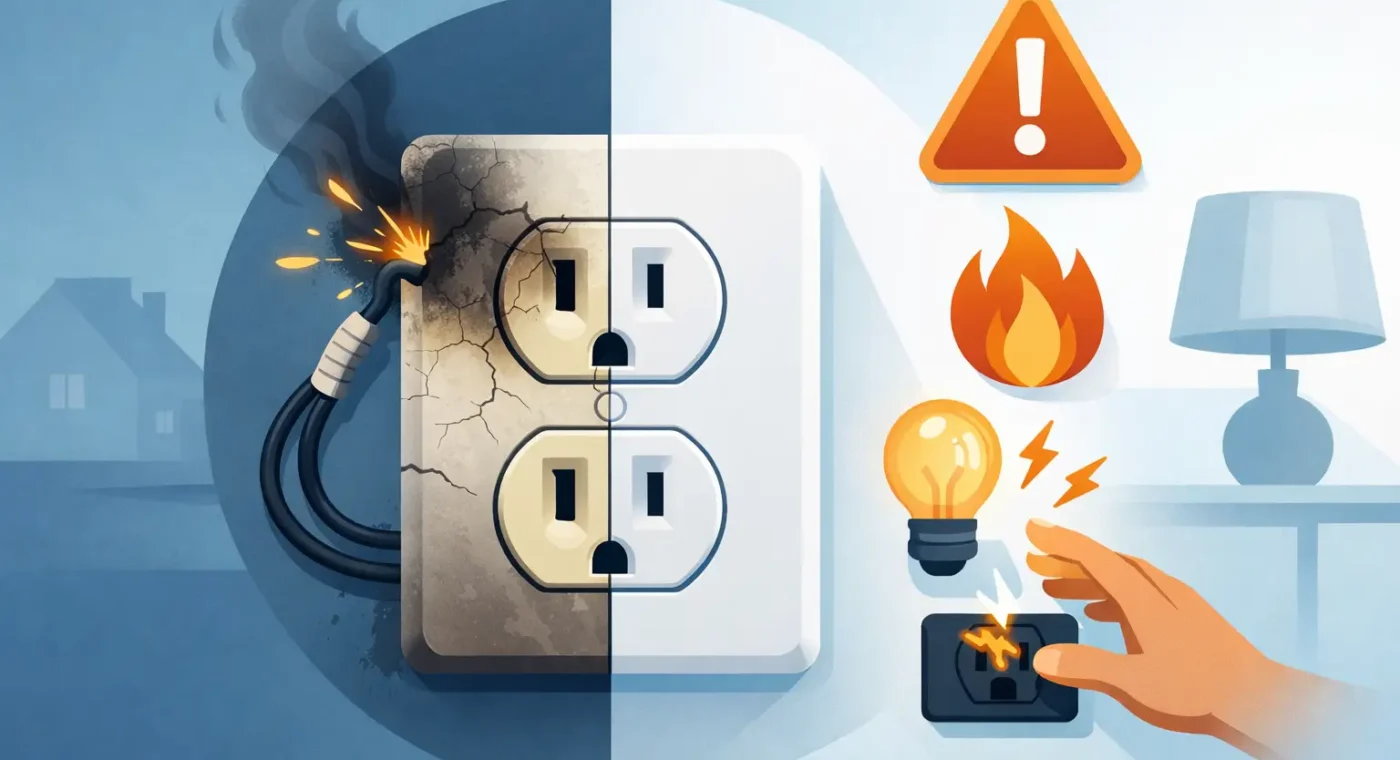
A loose plug is more than an everyday annoyance. If a charger slips out, a receptacle feels warm, or you see discoloration around the cover plate, you may be asking: when should outlets be replaced? The answer depends on the condition of the outlet, its location, and the demands placed on the circuit. Some problems need immediate attention because they can signal shock, fire, or equipment-damage risks.
For homeowners, landlords, and business operators, a professional electrical inspection is the fastest way to turn uncertainty into a clear repair plan. A licensed electrician can determine whether the outlet itself has failed or whether the problem starts deeper in the wiring or electrical panel.
When Should Outlets Be Replaced Right Away?
Any outlet that shows signs of overheating, damage, or unreliable operation should be taken seriously. Stop using it and arrange service promptly if you notice a burning smell, smoke, sparks beyond a small static discharge, black or brown marks, melted plastic, or a cover plate that feels unusually hot.
An outlet that buzzes, crackles, or makes a popping sound also deserves immediate attention. Electricity should operate quietly. Noise can point to a loose connection, arcing, or damaged internal components. Continuing to use the outlet can allow heat to build where you cannot see it.
Physical damage matters, too. Cracked outlets, broken faceplates, exposed wiring, or a receptacle that moves when a plug is inserted are not cosmetic concerns. The internal connections may be loose, creating a shock risk or causing intermittent power to appliances and equipment.
If an outlet has been exposed to water from a leak, flooding, plumbing repair, or storm damage, do not assume it is safe once the area dries. Moisture can corrode connections and create faults later. Have it inspected before using it again.
Signs an Aging Outlet Needs Replacement
Outlets do not come with a universal expiration date. Some can operate safely for decades when they are properly installed, lightly used, and undamaged. Others wear out faster because of frequent plug changes, heavy appliance loads, humidity, poor prior repairs, or loose wiring.
A common sign of wear is a plug that no longer fits firmly. The metal contacts inside the receptacle lose tension over time. A loose plug can create resistance and heat, especially when it powers high-demand equipment such as a microwave, portable heater, refrigerator, copier, or commercial countertop appliance.
You should also schedule an evaluation when an outlet works only sometimes, requires you to wiggle a plug, or repeatedly causes a device to shut off. While the outlet may be the issue, the cause could also be a failing connection, overloaded circuit, damaged cord, or electrical panel problem. Replacing the visible receptacle without diagnosing the source can leave the real safety issue unresolved.
Older two-prong outlets deserve special consideration. They may not provide the grounding protection required by many modern appliances and electronics. A licensed electrician can explain practical upgrade options, including properly grounded outlets or GFCI protection where permitted and appropriate.
GFCI Outlets Need Testing and Timely Replacement
Ground-fault circuit interrupter outlets, commonly called GFCIs, are designed to cut power quickly when they detect an imbalance that could indicate electricity traveling through water or a person. They are especially important in bathrooms, kitchens, laundry areas, garages, basements, outdoors, and other potentially damp locations.
A GFCI outlet should be tested regularly using its built-in TEST and RESET buttons. If it will not reset, does not trip during a test, trips repeatedly without a clear reason, or has visible damage, it should be evaluated by an electrician. Repeated tripping is not something to bypass or ignore. It may be doing its job by responding to a fault in the outlet, circuit, or connected appliance.
For rental properties and commercial spaces, properly functioning GFCI protection helps support safer daily operation for tenants, employees, and customers. It also helps reduce avoidable service interruptions caused by nuisance outages or damaged equipment.
Replace an Outlet When Your Power Needs Have Changed
Some outlets are not damaged, but they are no longer right for the way a space is used. Extension cords and power strips can be useful temporary tools, but relying on them permanently often signals that a room needs more receptacles or a dedicated circuit.
For example, a home office with computers, monitors, printers, and chargers may need a better outlet layout. A kitchen may need properly placed receptacles for new appliances. In commercial settings, added workstations, display equipment, refrigeration units, or kitchen appliances can place demands on circuits that were not designed for the current load.
Installing a higher-quality receptacle, USB outlet, weather-resistant outdoor outlet, tamper-resistant outlet, or dedicated appliance outlet may be the right solution. The trade-off is that an upgrade may require wiring, circuit, or panel work beyond a simple outlet swap. A professional assessment helps ensure the improvement is safe, code-conscious, and sized for the equipment you intend to use.
Outlet Problems That May Be Bigger Than the Outlet
A new receptacle will not solve every electrical issue. If multiple outlets lose power, lights flicker, breakers trip frequently, or you notice a burning odor near the electrical panel, the problem may involve the circuit wiring, breaker, service panel, or an overloaded electrical system.
This is particularly relevant in older homes and buildings that have been remodeled over time. Previous work may have added outlets or equipment without properly updating the circuit capacity. Property managers and commercial operators should act quickly when these symptoms affect critical areas such as offices, kitchens, laundry rooms, storage areas, or tenant spaces. Small electrical problems can become disruptive downtime when they are left unresolved.
A licensed technician can inspect the receptacle, test the circuit, identify failed connections, and explain whether a targeted repair or a broader upgrade is needed. That diagnosis protects you from paying for repeated quick fixes that do not address the source of the problem.
Can You Replace an Outlet Yourself?
Replacing an outlet may look simple, but electrical work carries real risks. Incorrect wiring, poor grounding, loose terminal connections, or using the wrong device type can create shock hazards, overheating, and recurring breaker trips. The risk is higher in older properties, damp locations, commercial buildings, and circuits serving major appliances.
If there is any sign of heat, arcing, water exposure, damaged wiring, or breaker trouble, do not treat the job as a basic DIY project. Turn off power to the affected area if it is safe to do so, avoid using the outlet, and call a qualified electrician. Never cover a damaged outlet with a plate and assume the issue is contained.
What a Professional Outlet Service Visit Should Include
A dependable service visit begins with more than replacing the face of the outlet. The technician should inspect the condition of the receptacle, verify wiring connections and polarity, check grounding where applicable, test GFCI operation when present, and look for signs of circuit overload or heat damage.
For homes, the goal is reliable power and peace of mind. For rental and commercial properties, the goal also includes limiting disruption, protecting equipment, and keeping essential spaces operational. EAAIRS Services and Repair Ltd. provides professional electrical diagnosis and repair with clear recommendations, so you can make an informed decision before work begins.
Do not wait for a loose, hot, or discolored outlet to become an emergency. A quick inspection now can prevent damaged appliances, unexpected outages, and a much more costly repair later.