
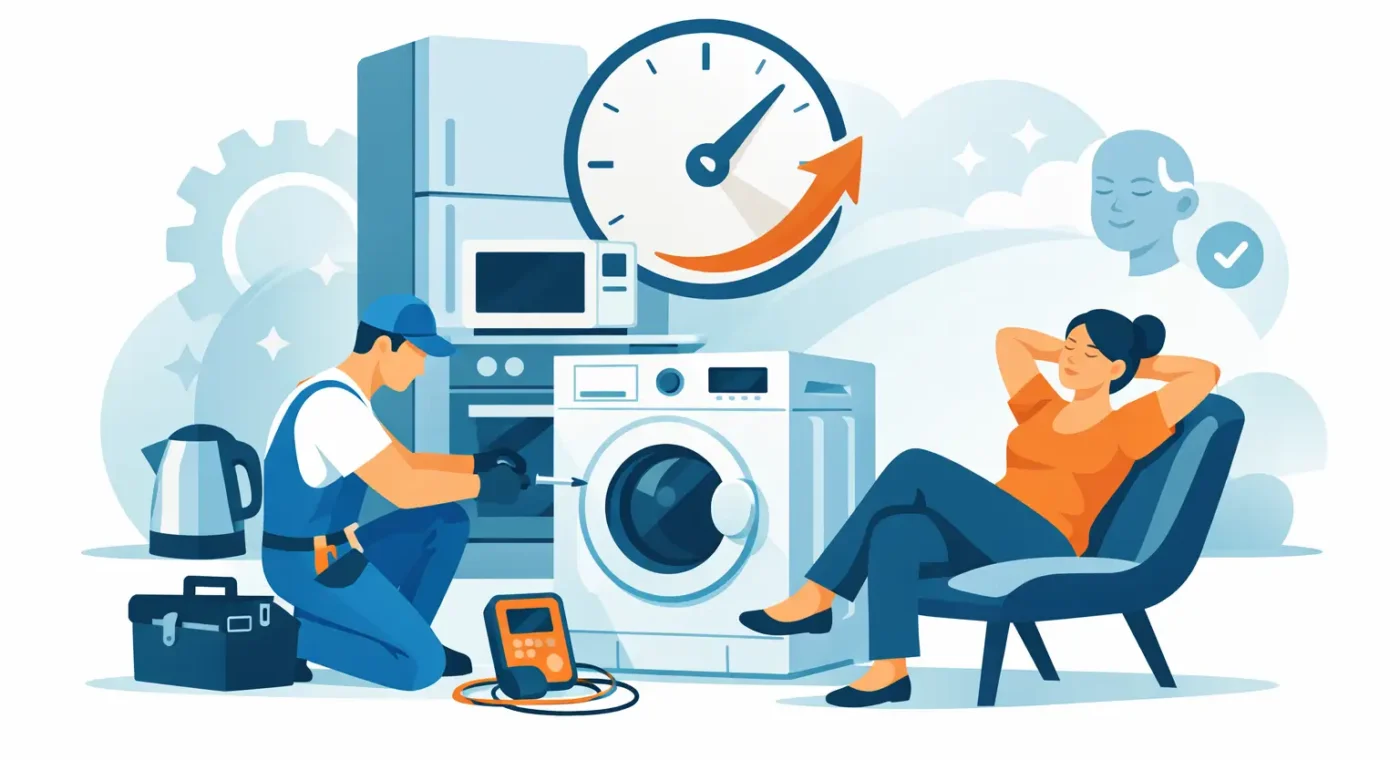
A refrigerator stops cooling at 9 p.m. A dryer quits with a full week of laundry waiting. In a restaurant, one failed appliance can slow the whole kitchen. Appliance repair is rarely something people plan for – it is something they need handled quickly, correctly, and without adding more stress.
That is why the right service matters as much as the repair itself. Homeowners want their routine back. Property managers want issues resolved before tenants get frustrated. Commercial operators need equipment running to avoid lost time and lost revenue. In every case, the goal is the same: accurate diagnosis, fair pricing, and a fast path back to normal.
Why appliance repair matters more than it seems
A broken appliance affects more than convenience. It can create safety concerns, waste energy, damage inventory, or disrupt daily operations. A refrigerator that runs warm can spoil groceries or stocked product. A faulty oven can throw off meal prep at home or in a commercial setting. A dryer that overheats is not just inefficient – it can become a fire risk.
Waiting too long often makes the situation worse. Minor issues such as unusual noises, slow cycles, temperature inconsistency, or leaking water can point to wear that is still manageable. If ignored, those same warning signs can lead to a larger failure, more expensive parts, or complete replacement sooner than expected.
For many customers, the real value of professional repair is not just fixing one machine. It is protecting comfort, safety, and continuity. That matters whether you are managing a household, multiple rental units, or a busy food service operation.
When to repair and when replacement makes more sense
Not every problem should be repaired, and a trustworthy technician should say that clearly. The right answer depends on the appliance age, the cost of parts, the severity of the failure, and how heavily the unit is used.
If an appliance is relatively new and the issue is isolated, repair is often the smarter investment. A failed heating element, a bad thermostat, a worn belt, or a damaged switch may be resolved quickly and cost far less than replacement. This is especially true when the appliance is otherwise in good condition.
Replacement starts to make more sense when repairs become frequent, the unit is near the end of its expected lifespan, or the repair cost is close to the price of a new machine. Commercial clients often weigh this differently than homeowners. In a home, a one-time repair may be easy to justify. In a business, downtime, reliability, and repeat service calls may make replacement the better operational choice.
There is no universal rule here. Good service means giving customers a clear recommendation based on value, not pressure.
What reliable appliance repair should include
Fast response is important, but speed alone is not enough. A rushed guess can waste time and money. Reliable appliance repair starts with a proper diagnosis. The technician should identify the root cause, explain the issue in plain language, and outline the repair options before work begins.
Transparent pricing matters just as much. Customers should know what they are paying for, whether the repair requires special-order parts, and what timeline to expect. That kind of communication builds trust and reduces the frustration that often comes with urgent service calls.
Professionalism also shows up in the small details. Arriving on time, respecting the property, checking safety concerns, and testing the appliance after the repair all make a difference. For commercial clients, it can also mean understanding how to work efficiently around operating hours, staff workflows, and kitchen demands.
A dependable service provider should make the process feel organized, not confusing.
Common signs you need appliance repair
Some appliance failures are immediate. Others build slowly and are easy to ignore until the appliance stops working altogether. If a refrigerator is running constantly, a dishwasher leaves dishes dirty, or a washing machine begins shaking more than usual, the problem is already affecting performance.
Strange sounds are another common warning sign. Grinding, buzzing, knocking, or repeated clicking usually mean a component is under strain or failing. Burning smells, visible sparks, tripped breakers, and overheating are more urgent and should be checked right away.
Leaks should never be brushed off. Water around a dishwasher, washing machine, refrigerator, or water-connected appliance can damage floors, cabinets, and surrounding areas. Even a small leak can turn into a larger property issue if left unresolved.
For landlords and property managers, these early signs matter because appliance issues tend to generate urgent tenant calls at the worst times. Addressing them early can reduce complaints, avoid emergency situations, and protect the long-term condition of the unit.
Appliance repair for homes and commercial properties
Residential and commercial appliance repair overlap in some ways, but the demands are different. In homes, customers are usually focused on comfort, convenience, and cost. They want a fast fix, a clear explanation, and confidence that the appliance will keep working.
Commercial environments raise the stakes. A failed cooler, oven, dishwasher, or prep unit can interrupt service, affect food safety, and impact revenue immediately. Repair work often has to happen with more urgency and less disruption. The technician also needs experience working with equipment that sees heavier use and operates in more demanding conditions.
This is where a multi-service company can offer a practical advantage. If the issue involves both the appliance and an electrical supply problem, customers do not have to coordinate separate contractors. That saves time and reduces the back-and-forth that often delays a complete solution. For businesses and property managers in particular, having one reliable point of contact can make routine service and urgent repairs much easier to manage.
What to expect during the service process
A strong service experience should feel straightforward from the first call. The customer explains the problem, the service team schedules promptly, and the technician arrives ready to inspect the appliance and identify the likely cause.
After diagnosis, the next step should be clear communication. What failed, what it will take to fix it, what the repair will cost, and whether parts are immediately available should all be explained before moving ahead. If there are multiple options, customers should hear the pros and cons of each.
Once approved, the repair should be completed carefully and tested before the visit ends. If parts need to be ordered, the follow-up plan should be just as clear. Reliable companies do not leave customers wondering what happens next.
That consistency is a major reason customers return to the same provider. They are not just paying for a repair. They are paying for confidence that the issue is being handled properly.
Choosing the right appliance repair company
The lowest price is not always the best value. If the diagnosis is incomplete or the repair is done poorly, the same problem can come back quickly. That means more appointments, more disruption, and more cost over time.
A better approach is to look for a company that combines technical skill with strong service standards. Licensed technicians, transparent estimates, fast response times, and clear communication are all signs that the company takes both the repair and the customer experience seriously.
It also helps to choose a provider that understands the urgency behind the call. When an essential appliance fails, customers do not want vague timelines or surprise charges. They want honest answers, professional work, and a repair process that respects their time.
That is the standard companies like EAAIRS Services and Repair Ltd. are built around – helping homeowners and businesses solve urgent problems quickly, safely, and with less stress.
The best time to call for appliance repair
Many customers wait until an appliance stops completely, but the better time to call is usually earlier. If performance changes, sounds become unusual, cycles start taking longer, or utility costs rise without another explanation, an inspection can often prevent a larger issue.
Early service does not guarantee a simple fix every time. Some failures happen suddenly and some appliances are already near the end of their life. Still, quick action usually gives you more options and better control over cost, scheduling, and downtime.
When your appliances support daily life or business operations, dependable service is not a luxury. It is part of keeping everything else running the way it should. A prompt repair today can save far more than money tomorrow – it can save your schedule, your comfort, and your peace of mind.