
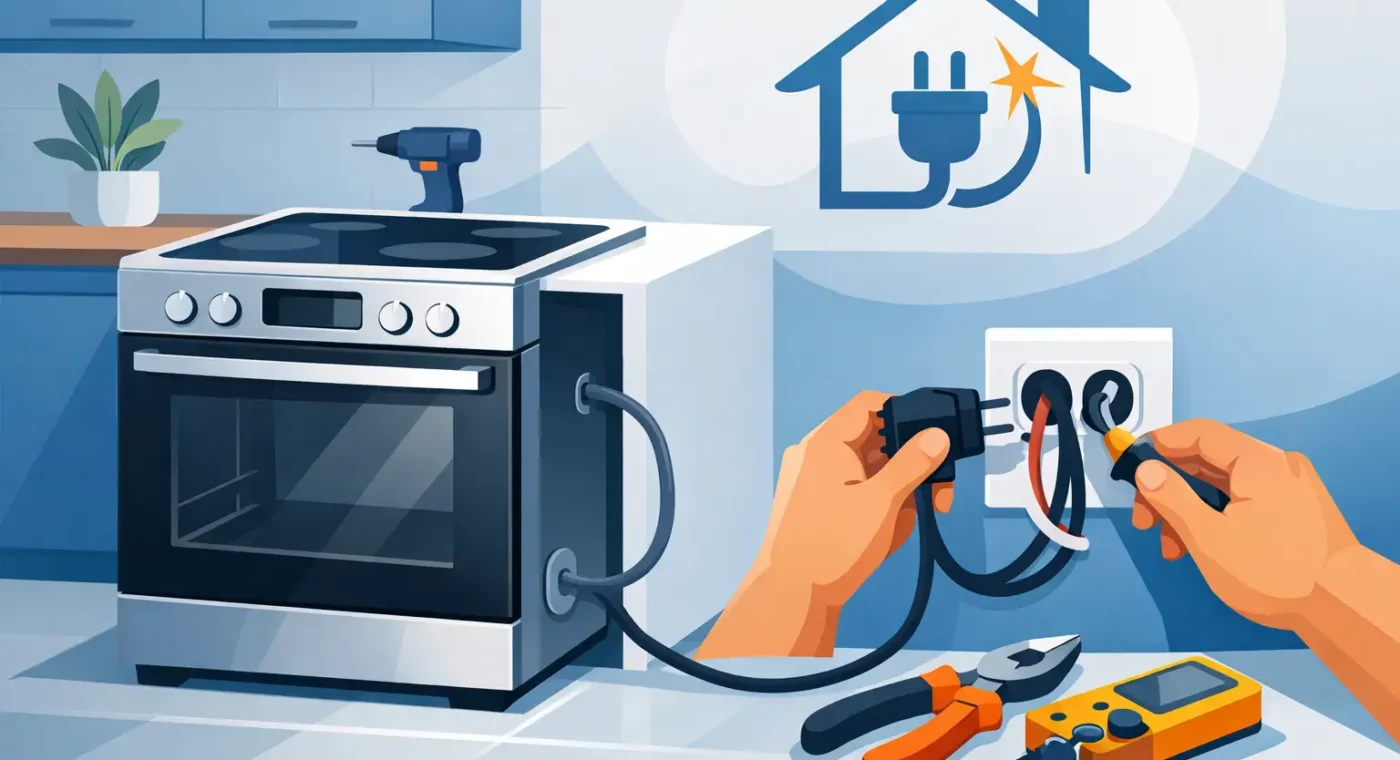
A new oven should make your kitchen more useful, not create a wiring problem behind the wall. That is why oven installation with electrical hookup needs more than simply sliding an appliance into place and plugging it in. The circuit, outlet type, breaker size, cabinet fit, and appliance specifications all need to line up for the installation to be safe and reliable from day one.
For homeowners, landlords, and property managers, the biggest mistake is assuming every oven swap is straightforward. Sometimes it is. If the old unit and new unit match in size, power requirements, and connection type, the job can move quickly. But when the electrical load changes, the outlet is wrong, or the space was never set up correctly, a fast install can turn into an expensive callback.
What oven installation with electrical hookup really includes
At a basic level, the job involves placing the oven, making the electrical connection, testing operation, and confirming the unit is installed according to manufacturer requirements. In practice, there is usually more to it.
A proper installation starts with checking the appliance specs. Wall ovens, slide-in ranges, and freestanding electric ovens do not all use the same electrical setup. Some require a dedicated 240-volt circuit. Others may have specific amperage needs that do not match the existing breaker or wiring. The technician also needs to confirm the opening dimensions, clearance requirements, and whether the unit is hardwired or cord-and-plug connected.
That inspection matters because many installation issues are hidden until the old unit comes out. You may find heat-damaged wiring, an outdated receptacle, missing anti-tip hardware, or a cabinet opening that is just slightly off. None of those problems are unusual, but they do affect timing, cost, and safety.
Why electrical hookup is the part you should not guess on
An electric oven draws significant power. If the wiring is undersized or the connection is loose, the result can be nuisance breaker trips, poor performance, damaged components, or a serious fire risk. This is where licensed electrical experience makes a real difference.
A professional checks whether the circuit is dedicated, whether the wire gauge matches the load, and whether the breaker is sized correctly for the appliance. They also verify grounding and confirm the connection method meets code and manufacturer instructions. That protects the oven, the home, and everyone using the kitchen.
This is especially important in older properties. Many older homes were built around appliance loads that do not match current equipment. A replacement oven may look like a simple swap, but if the original circuit was modified over time or installed outside current standards, the hookup may need correction before the new unit can be safely energized.
Common situations that change the scope of the job
The easiest install is usually a like-for-like replacement. Even then, measurements and electrical checks still matter. Beyond that, several common scenarios can turn a basic job into a more involved service call.
One is moving from gas to electric. That is not just an appliance swap. It often requires a new 240-volt dedicated circuit, which can mean panel capacity review, new wiring, and receptacle or hardwire preparation.
Another is replacing an older wall oven with a newer model that has different cutout dimensions. Even a small difference can require cabinet modification. If the opening is too tight, forcing the unit into place can damage the oven or restrict ventilation.
A third issue is commercial or multi-unit property work. In those settings, downtime matters. Property managers and operators often need scheduling that minimizes disruption, clear pricing before work begins, and technicians who can handle both the electrical side and the appliance side without bouncing the job between trades.
What to expect during a professional installation
A reliable oven installation process is not complicated, but it should be organized. First comes confirmation of the appliance model and site conditions. That includes checking access, measuring the install area, and reviewing the electrical connection already in place.
Next, the old unit is disconnected and removed if replacement service is part of the appointment. Once the opening and connection are exposed, the technician inspects the wiring, breaker, receptacle, and surrounding area for damage or incompatibility.
If everything checks out, the new oven is connected, positioned, leveled if required, and secured according to manufacturer guidelines. Then comes testing. The oven should power on correctly, heat properly, and show no signs of electrical fault, unstable connection, or installation stress.
A good service visit also includes answering practical questions. Homeowners often want to know whether a break-in cycle is normal, how long to wait before first use, or whether trim gaps are acceptable. Clear answers help avoid confusion after the technician leaves.
How long oven installation with electrical hookup usually takes
If the electrical is already correct and the new oven matches the existing setup, installation may take a relatively short visit. If wiring updates are needed, cabinet changes are required, or access is difficult, the timeline gets longer.
That is why same-day service can be valuable, but only when it is paired with proper diagnosis. Speed matters, especially if a tenant is moving in or a kitchen is down. Still, the fastest job is not always the best job if the installer skips load verification or leaves behind a questionable connection.
For busy households and commercial spaces, the right goal is quick, correct, and code-conscious service. That combination prevents repeat appointments and helps the appliance perform the way it should.
Cost factors homeowners and property managers should know
There is no single flat price that fits every oven installation. The final cost depends on whether the job is a direct replacement or a more involved electrical setup.
If the circuit, breaker, wiring, and opening are already correct, the cost is usually lower and more predictable. If the technician has to install or modify a dedicated circuit, replace a receptacle, correct unsafe wiring, or address fit issues, the price increases because the scope expands.
Access also matters. Tight cabinetry, upper-floor installations, built-in wall ovens, and occupied commercial kitchens can all add labor time. Brand and model can play a role too, especially if manufacturer-specific mounting parts or trim kits are needed.
This is where transparent pricing matters. A trustworthy contractor explains what is included, what may trigger added work, and what options exist if the existing setup is not ready for the new appliance.
DIY vs. professional service
Some property owners are comfortable with appliance hookups, but electric ovens are not a good place for guesswork. The trade-off is simple. DIY may appear to save money up front, but a mistake with a 240-volt appliance can cost much more in damaged equipment, failed inspections, tenant complaints, or safety hazards.
Professional installation brings a different kind of value. You are paying for fit verification, electrical knowledge, safe connection, testing, and problem-solving if the existing setup is wrong. That is especially useful when timing matters and you want the job completed without delays, surprises, or multiple vendors.
For customers who want one point of contact, a multi-service company such as EAAIRS Services and Repair Ltd. can be especially practical because appliance installation and electrical correction can be handled in one visit when conditions allow.
Questions to ask before you book the job
Before scheduling service, it helps to confirm a few details. Ask whether the installer handles both appliance placement and electrical hookup. Confirm whether old unit removal is included. Make sure they can address code-related electrical issues if something does not match the new oven requirements.
You should also have the model number ready. That allows the service provider to review power requirements and identify likely installation needs before arrival. If you are a landlord or property manager, photos of the existing setup can also help reduce delays.
These small steps make scheduling smoother and improve the chance that the technician arrives prepared for the actual job, not just the ideal version of it.
When it makes sense to call right away
If your current oven is tripping breakers, showing signs of a burned connection, heating inconsistently after a recent install, or being replaced as part of a turnover or renovation, it is smart to book service sooner rather than later. Small electrical issues do not usually stay small once a high-load appliance is involved.
The same applies if your delivery team drops off a new oven but will not connect it because the outlet, cord, or wiring does not match. That is a common moment when homeowners realize the installation is not just about the appliance. It is about making sure the kitchen is truly ready for it.
A properly installed oven should feel boring in the best possible way. It should turn on, heat evenly, and do its job without strange smells, breaker trips, or second guesses about what is happening behind the wall.