
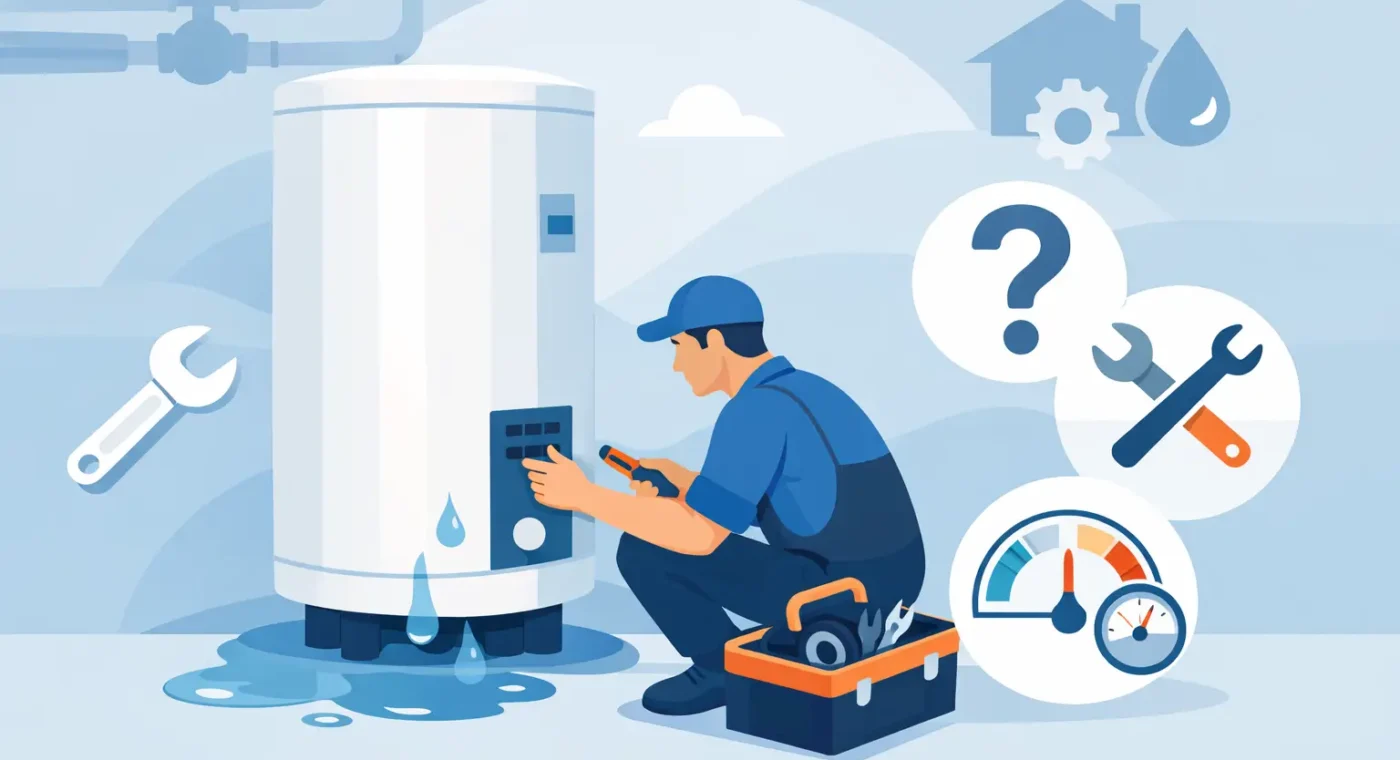
Hot water usually becomes a priority the exact second it disappears. A cold shower, a leaking tank, or rusty water from the tap can turn a normal day into an urgent service call. When water heater repair is needed, the real question is not just what broke – it is how quickly the issue can be diagnosed, repaired, and handled safely.
For homeowners, landlords, and property managers, speed matters. For restaurants, offices, and other commercial spaces, downtime can affect staff, tenants, and daily operations. The right response starts with recognizing what your water heater is telling you before a small issue becomes a larger and more expensive one.
When water heater repair should not wait
Some water heater problems are inconvenient. Others can damage property, increase utility costs, or create safety risks. If you notice water pooling around the unit, inconsistent temperatures, a burning smell, or popping and rumbling sounds from the tank, it is time to act quickly.
Leaks are one of the clearest signs that professional service is needed. In some cases, the issue is a loose connection or a failing valve. In others, the tank itself may be compromised. That distinction matters, because replacing a valve is very different from replacing the entire unit.
Discolored hot water is another warning sign. Brown or reddish water can point to tank corrosion or sediment issues, especially in older systems. If the water has a sulfur smell, there may be bacteria in the tank or a problem with the anode rod. These are repair issues that need a proper diagnosis, not guesswork.
A lack of hot water is the most obvious symptom, but it is not always caused by the heater itself. On electric models, a failed heating element, thermostat, or breaker may be responsible. On gas units, the problem could be the pilot light, thermocouple, gas control valve, or venting. Reliable repair starts with identifying the actual fault instead of replacing parts one by one.
Common causes behind water heater repair calls
Most service calls fall into a handful of categories, but the cause still depends on the unit type, age, usage level, and maintenance history.
Sediment buildup inside the tank
Sediment is one of the most common reasons tank-style heaters lose efficiency. Over time, minerals settle at the bottom of the tank and create a barrier between the burner or heating element and the water. That can lead to strange noises, reduced heating performance, and higher energy bills.
If caught early, flushing the tank and inspecting related components may solve the problem. If the buildup has been left for too long, overheating can damage the tank or internal parts. This is where timing makes a real difference in repair cost.
Failed thermostats or heating elements
Electric water heaters rely on thermostats and heating elements to produce consistent hot water. When one component fails, you may get lukewarm water, short hot water cycles, or none at all. In many cases, these parts can be replaced without replacing the whole unit.
The challenge is making sure the diagnosis is correct. A tripped breaker, wiring issue, or control problem can mimic a failed element. That is why electrical testing matters, especially in buildings where multiple systems may affect performance.
Gas ignition and burner problems
Gas water heaters introduce a different set of repair concerns. A pilot light that will not stay lit, poor burner performance, or venting trouble can all interrupt hot water production. These issues also require extra attention because they involve combustion and gas connections.
Sometimes the fix is straightforward, such as replacing a thermocouple or cleaning the burner assembly. In other situations, the unit may have a larger control or ventilation problem that should not be handled as a quick DIY job.
Pressure relief valve and connection leaks
Not every leak means the tank has failed. Fittings, supply lines, drain valves, and temperature and pressure relief valves can all develop leaks over time. These components are repairable, but they should be inspected promptly. A pressure-related issue that is ignored can place unnecessary stress on the system.
Age-related wear
Water heaters are not built to last forever. As units age, corrosion, repeated heating cycles, and normal wear begin to affect performance. A repair may still be the right choice, but it depends on the age of the system and the condition of the tank.
Repair or replace? It depends on the unit
This is one of the most common questions customers ask, and the honest answer is that it depends. If the problem is isolated to a thermostat, heating element, igniter, valve, or connection, repair is often the most cost-effective route. If the tank is leaking from the body, heavily corroded, or nearing the end of its service life, replacement may be the smarter long-term decision.
For landlords and property managers, that decision also comes down to reliability. A lower repair bill today may not be the best value if the same aging unit is likely to fail again during a tenant turnover or a busy season. For commercial operators, the cost of downtime can make replacement more practical even when repair is technically possible.
A trustworthy technician should explain both options clearly, including what is urgent, what can wait, and what will give you the best value over time.
What you can check before calling for water heater repair
There are a few basic checks that can help you understand the situation, but safety comes first. If you smell gas, see active leaking, or notice signs of electrical burning, stop there and call for professional service.
If the issue is simply no hot water, check whether the unit has power or whether a breaker has tripped. For gas models, confirm whether the pilot light is out if your unit design allows safe visual inspection. Look around the base of the unit for moisture and check nearby connections for dripping.
That said, water heaters combine plumbing, electrical, and in many cases gas systems. Misdiagnosis can waste time, increase repair costs, or create safety hazards. A quick look is fine. Trial-and-error repair is not.
Why professional diagnosis matters
Water heater issues often look simpler than they are. The symptom may be obvious, but the source is not always visible. For example, intermittent hot water could be a thermostat problem, a failing element, sediment buildup, an undersized unit, or a usage pattern that changed over time.
Professional diagnosis matters because it avoids replacing the wrong part, missing a developing safety issue, or overlooking related system damage. It also matters for code compliance, especially in commercial settings or multi-unit properties where one problem can affect multiple occupants.
A service company with broader technical experience can be especially valuable here. In some buildings, the issue is not limited to the water heater. Electrical supply problems, ventilation concerns, or related appliance and facility issues may need to be addressed at the same time. That is one reason many customers prefer working with a single dependable service partner instead of coordinating separate contractors.
What good service should look like
When you call for repair, the process should feel clear from the start. You should know when help is coming, what the technician will inspect, and what the likely next steps are. Good service is not just about fixing the heater. It is about reducing stress and restoring hot water without confusion or hidden costs.
A professional repair visit should include a full assessment of the unit, a straightforward explanation of the issue, and transparent pricing before work begins. If replacement is the better option, that should be explained honestly. If repair makes sense, the technician should focus on getting the system back online quickly and safely.
That customer-first approach is especially important in urgent situations. Whether the property is a family home, rental unit, or business, the goal is the same: restore comfort, protect the space, and avoid unnecessary disruption. That is the standard EAAIRS Services and Repair Ltd. is built around.
How to reduce future repair problems
Not every breakdown can be prevented, but regular maintenance helps. Periodic inspection, tank flushing where appropriate, testing safety components, and addressing small issues early can extend the life of the unit and improve efficiency.
It also helps to pay attention to subtle changes. Water that takes longer to heat, unusual sounds, or a slight drop in output are often early signals. Waiting until there is no hot water at all usually means fewer options and more urgency.
If your system serves a larger household or a commercial property, usage demands should also be reviewed. Sometimes repeated repair complaints are really capacity problems. In that case, the fix is not another patch – it is choosing equipment that matches the workload.
Hot water problems rarely happen at a convenient time, but the right response can keep them from turning into a bigger disruption. If your system is showing warning signs, getting a fast and accurate diagnosis now is often the easiest way to protect your property, your schedule, and your peace of mind.