
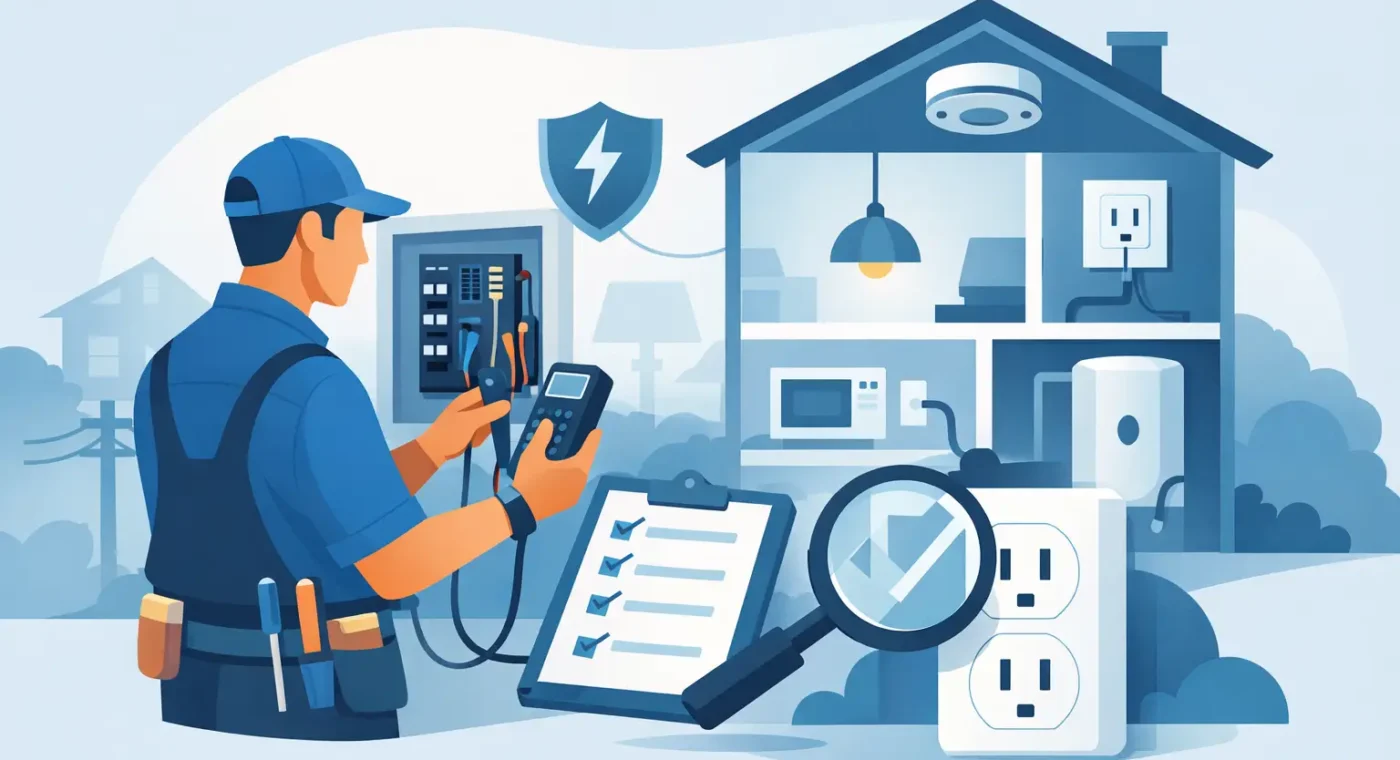
A breaker that trips once may feel like a small annoyance. A warm outlet, flickering lights, or a burning smell is different. Those signs can point to wiring problems that should not wait, and that is exactly where an electrical safety inspection for home protection becomes a smart next step.
For homeowners, landlords, and property managers, electrical issues are rarely convenient. They interrupt daily life, create safety concerns, and often raise a bigger question – is this one bad outlet, or is there a larger problem behind the walls? A professional inspection helps answer that quickly and clearly, without guesswork.
What an electrical safety inspection for home use actually covers
A proper inspection is more than a quick look at your panel. It is a structured review of the electrical system components that affect safety, reliability, and code compliance. The goal is to identify hazards before they turn into damaged equipment, power loss, or fire risk.
In most homes, the inspection starts at the service panel. A technician checks for signs of overheating, improper breaker sizing, loose connections, corrosion, double-tapped breakers, and outdated equipment that may no longer meet modern demand. If your home still has older panels or aging wiring, this part matters even more.
From there, the inspection typically moves through outlets, switches, visible wiring, grounding and bonding, GFCI and AFCI protection where required, and areas with higher moisture exposure such as kitchens, bathrooms, laundry rooms, garages, and exterior circuits. Appliances may also be reviewed if there are signs that dedicated circuits are missing or overloaded.
The point is not to make the process complicated. It is to confirm whether your system is operating safely and whether any part of it needs repair, replacement, or closer testing.
Why homeowners schedule inspections even without a major problem
Many people wait until something stops working. That is understandable, but electrical systems often show warning signs before complete failure. A home can still have power while hidden problems continue to develop.
An inspection is especially useful after buying an older house, completing a renovation, adding major appliances, installing a water heater or air conditioning equipment, or noticing repeated electrical symptoms. It is also a good idea for rental properties between tenants, where wear, DIY changes, and deferred maintenance are more common.
There is also the issue of electrical demand. Homes today run more devices, chargers, kitchen equipment, and climate control systems than they did years ago. A system that was acceptable when the home was built may now be under strain. That does not always mean a full upgrade is needed, but it does mean the system should be checked by someone qualified to spot early risk.
Common red flags found during inspection
Some electrical hazards are obvious. Others are surprisingly easy to miss until a professional tests the system. One of the most common issues is overloaded circuits. This often shows up as tripped breakers, dimming lights when appliances start, or too many high-draw devices sharing the same branch circuit.
Loose connections are another frequent problem. They may not cause immediate failure, but they can create heat buildup over time. The same is true for damaged receptacles, worn switches, and improper wire terminations inside boxes or panels.
Older homes may have outdated wiring methods or panels that no longer provide the level of protection expected in a modern residence. In some cases, the issue is not age alone. Poor past repairs, unpermitted work, and DIY additions can create a mix of old and new electrical components that do not work well together.
Grounding problems also matter. Proper grounding helps reduce shock risk and supports safe system operation. If grounding is incomplete or altered, the system may not respond the way it should during a fault.
Then there are the moisture-prone areas. Bathrooms, kitchens, laundry areas, basements, garages, and outdoor outlets need the right protection. Missing or failed GFCI devices are a common concern, especially in older properties.
What happens during the appointment
A professional inspection should feel organized, not disruptive. In most cases, the technician begins by asking about any symptoms you have noticed, such as flickering lights, dead outlets, buzzing sounds, breaker trips, or recent equipment changes. That context helps focus the inspection where it matters most.
After the visual and functional checks, the technician may test outlets, confirm polarity and grounding, examine panel conditions, and review whether safety devices are present where they should be. If an issue is found, you should get a clear explanation of what it means, how urgent it is, and what the next step looks like.
That matters because not every issue carries the same level of risk. Some problems call for immediate repair, especially if overheating, arcing, or damaged equipment is involved. Others can be scheduled in a planned way. A trustworthy service company will explain the difference and give you practical options instead of pushing unnecessary work.
Older homes, remodeled homes, and rental properties need extra attention
Not every property has the same electrical risk profile. A newer home may still have issues, but older homes usually deserve a closer look. Wiring materials, panel design, grounding standards, and outlet protection requirements have changed over time. If the home has not been updated properly, hidden hazards can remain in place for years.
Remodeled homes can be tricky for a different reason. A renovated kitchen or finished basement may look excellent on the surface while hiding overloaded circuits, undersized wiring, or shortcuts taken during installation. Cosmetic updates do not guarantee safe electrical work.
Rental properties also benefit from routine electrical review. Tenants may not report minor warning signs right away, and turnover periods are one of the best times to catch issues before they become emergency calls. For landlords and property managers, inspections help reduce liability and support a more predictable maintenance plan.
Why a professional inspection is better than a DIY check
It is reasonable for a homeowner to notice warning signs, test a reset button, or stop using a hot outlet. But a full safety evaluation is not a DIY project. Electrical systems involve shock risk, fire risk, code requirements, and hidden defects that are not visible without the right training.
A licensed technician knows what normal looks like and what should raise concern. Just as important, they understand how one symptom can point to a different root cause. A dead outlet might be a failed receptacle, but it could also be part of a larger circuit issue, a loose connection upstream, or a protection device that is no longer functioning properly.
Fast diagnosis saves time, but it also helps avoid partial fixes that leave the real problem in place. That is one reason many customers prefer working with a service team that can handle electrical work alongside related home system needs. When multiple trades are involved in a property, coordination matters.
When to schedule an electrical safety inspection for home protection
If you notice burning smells, buzzing, discoloration around outlets, frequent breaker trips, shocks when plugging in devices, or lights that flicker without a clear reason, schedule service right away. Those are not symptoms to monitor casually.
Even without urgent warning signs, it makes sense to schedule an inspection after purchasing a home, before listing a property for sale, after storm-related electrical events, or before adding major electrical loads. It is also wise if your panel is outdated, your home is more than a few decades old, or you rely heavily on extension cords because outlets are limited or inconveniently placed.
For customers who want dependable service without a long wait, speed matters almost as much as technical skill. A prompt inspection can prevent a minor issue from becoming a more expensive repair later. Companies like EAAIRS Services and Repair Ltd. build trust by combining licensed technical work with fast response, clear communication, and practical recommendations that put safety first.
What to expect after the inspection
A good inspection should leave you with answers. You should know whether the system is safe as-is, what repairs are recommended, what should be prioritized, and whether any upgrades would improve reliability or capacity.
In some homes, the outcome is simple. A few receptacles may need replacement, GFCI protection may need to be added, or a breaker connection may need correction. In others, the findings may point to panel work, circuit additions, grounding improvements, or replacement of outdated components. It depends on the age of the home, the quality of previous work, and how the electrical load has changed over time.
The most helpful outcome is clarity. Electrical problems create stress because they are hidden and potentially serious. An inspection turns uncertainty into a plan, and that gives you a safer home and fewer surprises.
If your home has been giving you small warnings, it is worth listening before they become urgent ones. A professional electrical safety inspection is not just about code or equipment – it is about protecting the people who depend on that home every day.